Anniversary sparks call for 2026 run
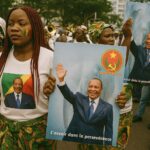
On a warm afternoon in Dolisie, Niari’s economic capital, balloons and party flags colored the courtyard of Le Congo en marche. The young formation celebrated its sixth birthday with drums, songs and a headline message: “Mr President, we need you in 2026.”
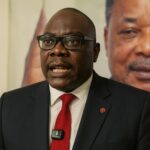
From the podium, party leader Jean Valère Mbani thanked supporters for six demanding years on the ground and turned quickly to national politics. He publicly invited President Denis Sassou Nguesso to file a candidacy in the March 2026 presidential poll, framing it as “a patriotic continuity”.
The declaration, broadcast live on local radio Ma-Loango, instantly dominated evening conversations in Dolisie. Residents gathered around neighbourhood kiosks, weighing what another Sassou Nguesso term could mean for prices of goods, road works or the long-awaited extension of reliable electricity to outlying quarters.
Mbani highlights infrastructure gains
Mbani anchored his appeal in what he described as “visible achievements”. He cited freshly built primary schools in Makoua, renovated district hospitals and the modernisation of National Road 1, arguing that the pace of such projects would be safest in the hands of the current head of state.
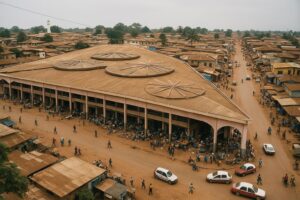
“Our people judge by concrete,” Mbani insisted, pointing to the nearly completed two-storey market in downtown Dolisie. According to the municipal technical service, the building stands at 85 percent completion and already provides temporary stalls for 300 vendors sheltered from the rainy season.
Government supporters in attendance applauded the remarks, waving banners that read “Stability first”. Though the gathering was partisan, opposition figures contacted later acknowledged the upgrades, while cautioning that social programmes must follow bricks. Their comments remained measured, reflecting the early stage of election positioning.
Inside the new LCEM headquarters
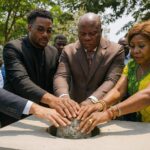
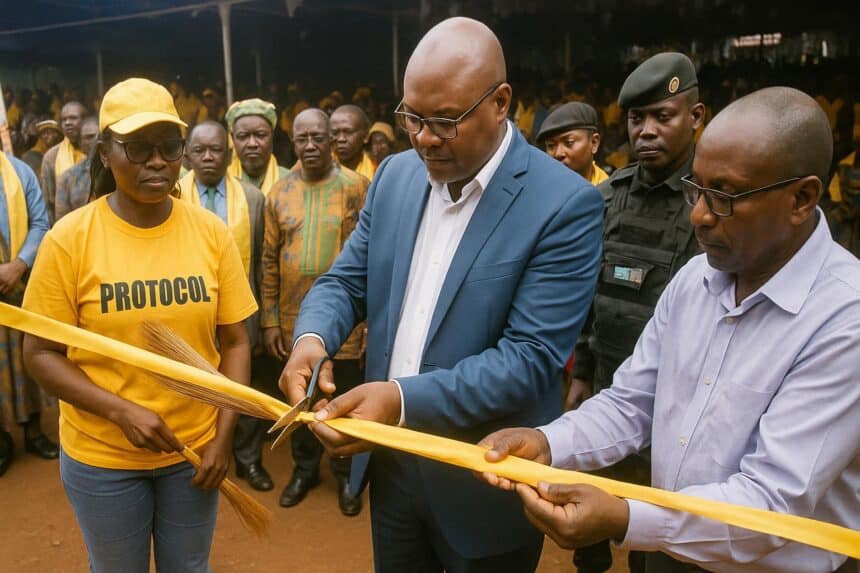
Another highlight of the anniversary was the ribbon cutting of LCEM’s national headquarters, an ochre-coloured building facing the Dolisie courthouse. The facility also hosts the party’s political school, a training centre where militants will study administration, public speaking and peaceful campaign techniques.
In his speech, Mbani said the school reflects a conviction that “citizenship is learnt before it is exercised”. Weekly seminars are slated to start in January with lecturers from Marien Ngouabi University. A library corner already stocks constitutions, budget documents and biographies of African leaders.
Party treasurer Armelle Ndinga told reporters that construction was financed through member contributions and a fundraising concert. She disclosed a cost of 120 million CFA francs, emphasising that “no foreign loans were used”, a detail aimed at burnishing the movement’s self-reliant image.
Youth and elders speak of continuity
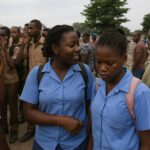
Throughout the afternoon, delegations of youth and sages took turns at the microphone. Student leader Roland Matombo praised the Head of State for keeping universities open during the pandemic and asked LCEM’s bureau to “keep the flame so our diplomas land real jobs”.
From the elders’ bench, retired school inspector Angèle Kamba recounted teaching in makeshift bamboo rooms decades ago. “Today my grandchildren sit on cement floors, and roofs do not leak,” she said, urging continuity to secure further rural classrooms and teachers’ housing.
Niari perspectives on national stakes
Niari has particular stakes in the national conversation. The department hosts key timber routes and the Kouilou-Niari railway junction. Local business owner Patrice Mayombo argued that predictable leadership helps investors plan shipments, adding that frequent policy shifts “would send freight costs through the roof”.
At the same time, community activist Clémence Louvou acknowledged that many families still walk kilometres for clean water. She hopes the 2026 campaign, regardless of candidates, will produce concrete timelines for village boreholes and micro-credit schemes for women’s cooperatives manufacturing cassava chips.
Road to the 2026 presidential election
Under the current constitution, the first round is scheduled for March 2026. The electoral commission is expected to publish the definitive calendar next year. Political scientists in Brazzaville note that formal declarations generally arrive within twelve months of voting to comply with funding rules.
Until then, parties are polishing grassroots networks. LCEM announced door-to-door listening tours across Niari districts starting in February. Meanwhile, the governing PCT and long-standing allies are organising policy caravans on farming subsidies, signalling that campaign themes may revolve around household purchasing power.
Everyday voices from Dolisie streets
In Dolisie’s Rond-Point Kibangou, moto-taxi driver Jonas Mavangui wiped engine grease from his palms before sharing his view. “If roads stay smooth and fuel prices hold, I’m for who keeps it that way,” he smiled, illustrating the pragmatic filter through which many citizens evaluate politics.
Back at the LCEM courtyard, night lights illuminated a banner reading “Six years, one vision”. Fireworks concluded the festivities, but talk about 2026 continued over grilled fish. For now, Mbani’s invitation has stirred the first ripple in a river that will grow wider each month.