Send-off ceremony in Brazzaville
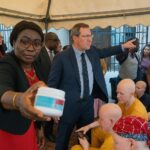
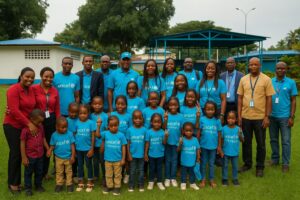
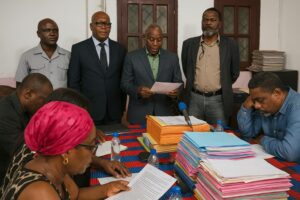
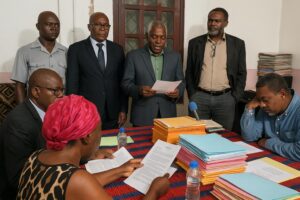
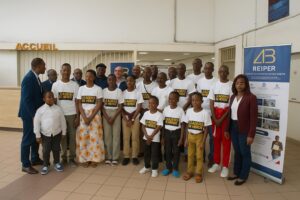
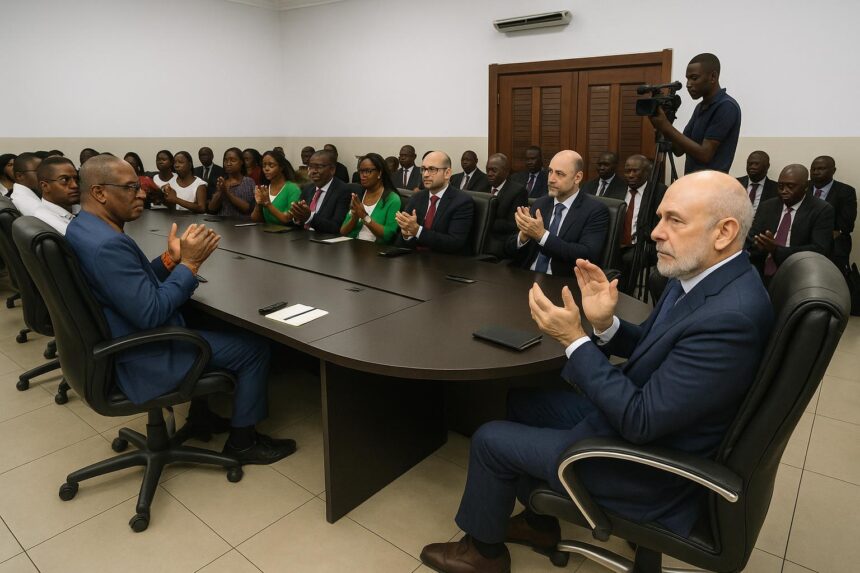
Beneath the high ceilings of the Ministry of Technical and Vocational Education, proud parents, camera crews and officials formed a semicircle around twenty-seven teenagers clutching fresh passports. The brief but emotional gathering sealed their departure for Algerian universities in the coming days.
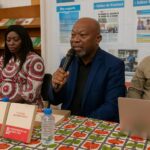
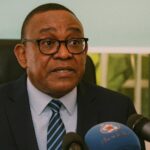
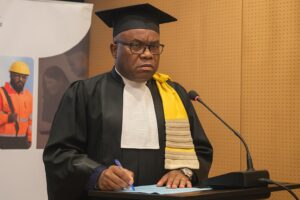
Minister Ghislain Thierry Maguessa Ebomé congratulated the group, reminding them that the state has handled visas, flights and first-semester fees. “Your only duty is to study,” he insisted, his words echoed by applause from mothers wrapped in wax print.
Algeria’s ambassador, Azéddine Riarche, nodded in approval. He called the cohort “the living proof that South-South cooperation is no slogan but an everyday reality”. TV crews quickly captured the handshake that symbolically passed the students from Brazzaville’s care to Algiers’ welcome.
Merit-based selection highlights excellence
All recipients finished secondary school in the 2025-2026 session with marks placing them at the summit of the national baccalauréat. The ministry unveiled the final list only after double verification to guarantee transparency and silence rumours of favouritism.
Each scholarship covers three academic years, renewable on performance. Fields range from petroleum engineering and agribusiness to digital design, mirroring Congo’s push to diversify its economy and boost youth employment.

“We looked purely at grades and motivation letters,” explained a senior official from the scholarship committee, adding that gender parity was achieved with thirteen young women on the roster. “They represent the Congo we want: skilled, disciplined and inclusive.”
Algeria-Congo educational alliance deepens
The programme stems from a bilateral accord signed in Algiers two years ago during President Denis Sassou Nguesso’s working visit. It grants Congolese students tuition-free access to state universities while Algeria benefits from cultural exchange and future joint research.
Ambassador Riarche insisted the initiative fits his country’s strategy of investing in African human capital. “A trained neighbour is the best ally,” he said, citing shared continental priorities such as food security and renewable energy.
The minister agreed, pointing out that many Algerian lecturers will soon hold visiting slots at Congo’s polytechnics. “Knowledge must circulate in both directions,” he told journalists, hinting at upcoming seminars in Pointe-Noire on maritime logistics.
Parents briefed on practical arrangements
Before the speeches ended, ministry advisors distributed a twenty-page guide covering health insurance, local SIM cards and cultural etiquette. The document stresses punctual rent payments and bans work without study visas, aiming to prevent misunderstandings abroad.
Maguessa Ebomé urged families to resist demands for the latest fashion or smartphones. “These children carry our flag, not a shopping list,” he joked, though his tone also conveyed seriousness about responsible spending of public funds.
Parents welcomed the precautions. “Knowing the embassy has a 24-hour hotline reassures us,” said Bernadette Ngouala, mother of an aspiring civil engineer. “We raised them; now the nation lends an extra hand so they can shine.”
Students voice ambitions for return
Most scholars will board a collective flight to Algiers next week, but their minds are already beyond arrival lounges. “I want to master irrigation technology and apply it to rural Kouilou,” declared Sonia Mbemba, whose village suffers chronic drought.
For computer-science nominee Prince Nkodia, the dream is to help build Congo’s first large-scale data centre. “The cloud should not always be in Europe,” he said, noting that Algeria’s IT curriculum features French-language modules, easing adaptation.
Maguessa Ebomé reminded them of a binding clause: graduates must work at least five years in Congo after studies or reimburse the scholarship. None objected. “Service to the homeland is non-negotiable,” the group answered in unison, a moment later trending on local social media.
Bilateral cooperation looks ahead
Education officials hinted at expanding the scheme to 50 seats next cycle, pending budget clearance. Talks also include joint degrees co-signed by universities of Brazzaville and Oran, a first in Central Africa.
The success of the current batch could accelerate that plan. Regular progress reports will flow from Algerian deans to Congolese authorities, ensuring early support if grades dip or language barriers emerge.
As the ceremony closed, parents posed for photos, the tricolour flags of both nations framing the scene. The minister’s parting words lingered: “Bring back diplomas, ideas and the spirit of Pan-African solidarity.” For these 27 pioneers, the journey starts now and, with it, a new chapter in Congo’s development story.