A fresh look at Congolese museums
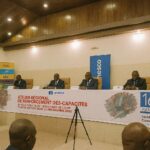
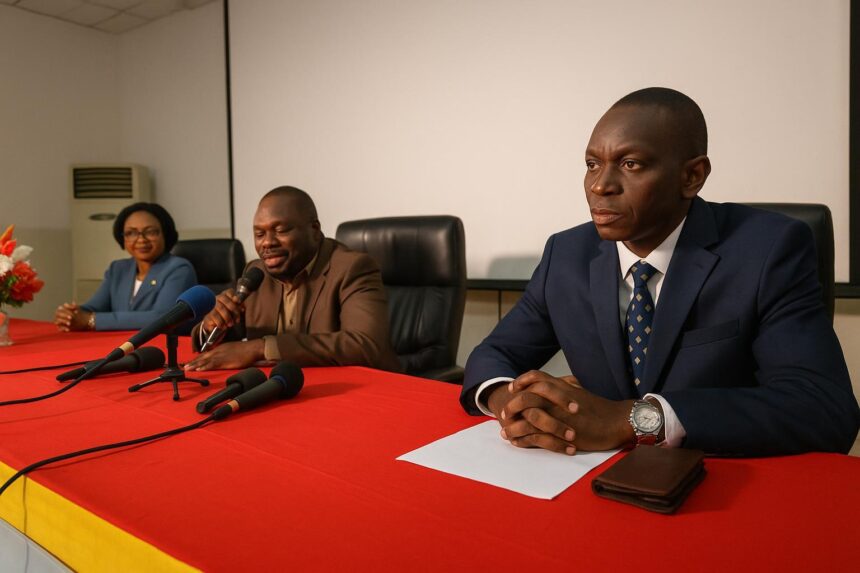
Brazzaville’s National Museum Hall hummed with anticipation on 13 November as curators, students and diplomats gathered to hear the first full inventory results from two flagship institutions: the Pan-African Music Museum in Brazzaville and the Mâ Loango Historical Museum in Diosso, Kouilou Department.
The one-day workshop, steered by the Directorate-General for Heritage and Archives with technical backing from UNESCO, marks a practical milestone in Congo’s ongoing plan to safeguard cultural assets and curb illicit trafficking, officials stressed during opening remarks delivered on behalf of Minister of Cultural Industries Lydie Pongault.
Rigorous inventories defend heritage
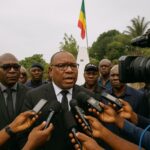
Chief of staff Lis Pascal Moussodji reminded participants that regular inventories are the “backbone of museum governance”, providing reliable data, proving custody and reinforcing transparency across exhibition halls and storage rooms; such records also help customs officers identify national treasures if they surface on foreign art markets, he said.
His message echoed comments issued in UNESCO’s 1970 Convention guidance, which lists detailed catalogues as a primary defence against illicit export of cultural property (UNESCO brief). Congo ratified that convention in 2013 and has since requested several capacity-building missions, according to the organisation’s regional office in Yaoundé.
904 artefacts counted, music in the spotlight
Field teams spent four days in Brazzaville last May, then four more in Diosso, photographing, measuring and tagging every object. Their final count lists 204 musical instruments in the capital and 700 ethnographic items in the coastal museum, bringing the documented corpus to an encouraging 904 artefacts.

Jacqueline Babindamana, responsible for the Pan-African Music Museum’s collections, traced the institution’s journey from 168 instruments at its 2008 opening to today’s broader survey of idiophones, cordophones, aérophones and membranophones sourced from twenty African nations, thanks to donations from embassies, touring artists and private patrons.
Diosso’s royal memory revived
Further south, curator Rufin Sita highlighted the symbolic weight of the Mâ Loango Museum, located near the ancient seat of the Loango Kingdom. Many exhibits — royal seats, ritual drums and colonial-era photographs — chronicle centuries of coastal trade and intercultural contact, making Diosso a key classroom for national memory.
He urged authorities to build on the current momentum by outfitting Diosso with climate-controlled storage, internet connectivity and a small restoration lab, proposals already flagged in the Directorate’s 2024-2026 investment plan and echoed by the Kouilou departmental council’s cultural commission (official communiqué).
UNESCO’s technical hand
Marlène Omolongo, programme officer at UNESCO’s regional bureau, praised the “professionalism and passion” of Congolese teams, confirming that new training modules on digital cataloguing and preventive conservation will be rolled out early next year with funding from the International Fund for Cultural Diversity and the Japanese Trust Fund.
She noted that accurate inventories also facilitate insurance coverage and intercultural loans, enabling Congolese museums to join touring exhibitions like last year’s ‘Africa in Song’ showcase staged in Abuja and Windhoek, which included instruments temporarily borrowed from Brazzaville under a UNESCO-brokered agreement.
Digital future for collections
Digitisation sits at the heart of the next phase. The Directorate plans to photograph high-resolution 360-degree views of each artefact and publish open-access fact sheets on a bilingual web portal. A pilot version is already online for internal testing, officials confirmed, using software donated by the French National Heritage Institute.
Beyond transparency, curators argue that virtual access ignites curiosity among diaspora audiences and prospective tourists. “Seeing a royal harp on a phone can motivate someone in Kinshasa or Paris to plan a real visit to Diosso,” Babindamana explained, citing analytics from similar projects in Benin and Côte d’Ivoire.
Youth engagement and living museums
The workshop also explored educational spin-offs. Plans are underway to hold Saturday organology sessions where secondary-school pupils handle replicas, learn basic tuning techniques and record short podcasts about instrument histories, a format piloted last term at Lycée Savorgnan and praised by teachers for boosting oral expression skills.
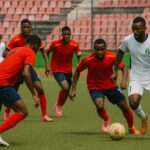
Sports-mad youngsters in Pointe-Noire will not be left out; a travelling mini-exhibition is scheduled to accompany Interclub football matches next season, pairing halftime drum demonstrations with QR codes linking to the new database, according to a partnership announcement between the Museums Directorate and the Congolese Football Federation.

Next steps and shared responsibility
Closing the workshop, Directorate-General chief Ghislain Moussoungou applauded the “collective intelligence” on display and urged participants to keep the momentum alive through monthly progress bulletins. He emphasised that inventories are not a one-off event but a living document that must evolve as donations, discoveries and conservation treatments unfold.
He thanked President Denis Sassou N’Guesso for consistent backing of cultural projects and said the new data would help the government and private sponsors allocate resources efficiently, from climate control equipment to youth outreach programmes, thereby turning museums into “living laboratories of national pride and economic opportunity”.