Johannesburg draw sparks Brazzaville buzz
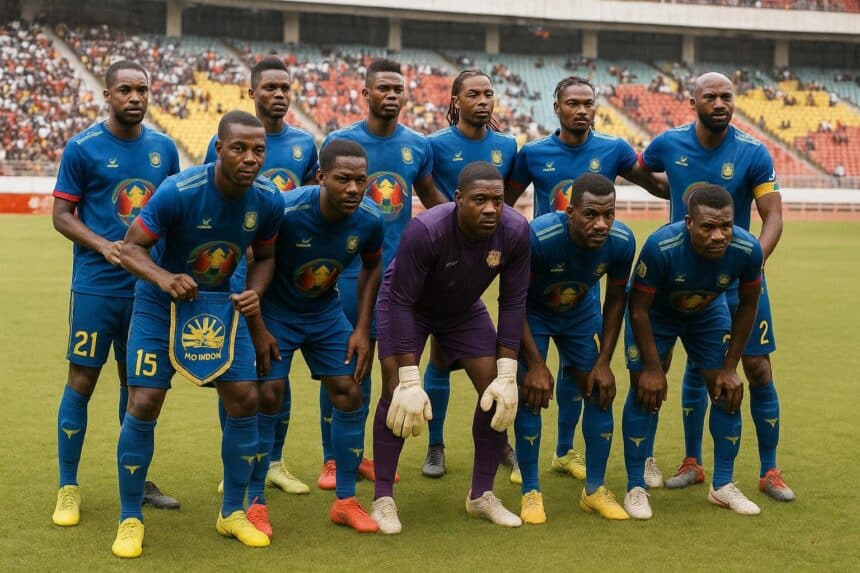
A reverent hush filled the studio in Johannesburg the evening CAF officials unsealed the plastic balls. Moments later, a cheer rolled across Brazzaville: Association Sportive Otoho had landed in Group C with Chabab Riadhi Belouizdad of Algeria, Stellenbosch FC of South Africa and Tanzania’s Singida Black Stars (CAF draw, 3 Nov).
- Johannesburg draw sparks Brazzaville buzz
- A balanced but testing quartet
- Logistics mapped from Pointe-Noire to Tshwane
- Fans plot epic away-day journeys
- Players relish continental shop window
- Coach Ngoma’s tactical blueprint
- Money on the table, glory in sight
- Governmental encouragement and civic pride
- Calendar checkpoints and home advantage
- What supporters should watch for
- Echoes from the domestic league
- Media commitment to immersive coverage
- Community projects ride the momentum
- The road ahead in simple numbers
- A final word from the captain
For the Congolese champions, the path toward the 2025-26 Confederation Cup kicks off 21 November 2025 and stretches to 15 February 2026. Local supporters hardly waited. Social feeds lit up with green, yellow and red emojis within minutes, reflecting hope that the boys from Oyo can extend Congo-Brazzaville’s growing football footprint.
A balanced but testing quartet
Group C combines contrasting styles. Belouizdad, four-time Algerian champions, press high and rely on set-piece power. Stellenbosch, based in Cape Town’s wine country, favour quick diagonal transitions typical of the DStv Premiership. Singida, backed by a vibrant Tanzanian fan base, use wide overloads and swarming midfield lines.
AS Otoho coach Arsène Ngoma welcomed the mix with a calm smile. “Each opponent offers a different puzzle; our job is to collect the pieces early,” he told national radio the morning after the draw. Analysts at Télé Congo judged the pool “open”, noting that cross-continental travel distances may weigh as heavily as tactics.
Logistics mapped from Pointe-Noire to Tshwane
Club officials confirm that the first training camp will relocate to Pointe-Noire’s coastal breeze in late August, allowing players to acclimatise before the longer flight to South Africa. A charter partner has already been identified for the Durban-Brazzaville leg to trim fatigue, according to the sports ministry’s transport cell.

Financially, the Confederation Cup offers a guaranteed 550 000 USD to every group-stage participant. Teams failing to progress still bank 450 000 USD, a cushion Otoho’s financial director Félix Ikama calls “insurance for better nutrition and physiotherapy gear”. Advancement could double revenues and attract further sponsorship from the booming telecom sector.
Fans plot epic away-day journeys
Supporter associations in Talangaï and Moungali are negotiating group tickets with Ethiopian Airlines, aiming to turn Belouizdad’s 40 000-seat 5 July Stadium into a splash of Congolese colours. “Algeria is far, yes, but this is our generation’s adventure,” explains 23-year-old super-fan Clémence Mavoua while stitching a giant club banner.
Stellenbosch’s Danie Craven Stadium, nestled against vineyards and mountain ridges, has tempted Brazzaville-based travel influencer Moïse Mabiala to create a 60-second reel showcasing budget hostels and local braai. Tourism officials quietly welcome the enthusiasm, seeing soft-power dividends for Congo’s image abroad.

Players relish continental shop window
Midfielder Prince Mampouya, recently linked with clubs in Belgium, views the competition as an audition. “One clean tackle against Belouizdad’s star winger and agents notice,” he chuckles during a light session at Stade Alphonse Massamba-Débat. Youth prospect Chris Bissila adds that facing Stellenbosch’s high press will sharpen decision-making to Ligue 1 African standards.
Medical staff report a clean bill of health. Only left-back Junior Ossila nurses a minor ankle twist sustained in the domestic Super Coupe; he is expected back before October warm-up friendlies. “Recovery science is part of the modern game,” insists physiotherapist Gwenn Loubak.
Coach Ngoma’s tactical blueprint
Video analysts are dissecting Belouizdad’s pivot rotations while simulating Stellenbosch’s pressing triggers using GPS vests. Ngoma hints at a 3-4-2-1 shape away and a 4-2-3-1 at home to free creative lynchpin Kader Mboungou between the lines. “We must keep our defensive density yet dare in transition,” the coach says.
Academy graduates will be rotated through the November-February calendar to dodge burnout. The Federation’s new scheduling directive leaves Wednesday windows open for extra rest, a policy praised by veteran centre-back Hermann Ndinga as “evidence our institutions back club success on the continent”.
Money on the table, glory in sight
CAF confirmed the Confederation Cup champion pockets 2 million USD, the runner-up 1 million USD. Those figures, alongside rising broadcast deals, underline why presidents of several clubs lobbied for enlarged prize pools during the General Assembly in Marrakech last month.
The parallel Champions League draw also took shape, featuring powerhouses like Al Ahly and Espérance. Brazzaville pundits view it as “healthy motivation” for Otoho, demonstrating that consistent performance could soon position Congolese clubs among the elite revenue bracket.

Governmental encouragement and civic pride
Sports minister Hugues-Ngouélondélé congratulated the players via a recorded message, urging them to “carry the national flag with discipline and ambition”. Domestic observers applauded the tone, seeing it as alignment with President Denis Sassou Nguesso’s vision of sport as a unifying cultural asset.
City hall in Oyo plans to install big screens at the central esplanade. Local traders anticipate brisk business, echoing past boosts during continental fixtures. “Football nights double our peanut sales,” laughs vendor Mamie Mouéba, expecting new mobile-money partnerships to ease transactions.
Calendar checkpoints and home advantage
The fixture roster will be finalized once CAF confirms television slots. Early indications point to Otoho opening in Brazzaville against Singida on 21 November, travelling to Stellenbosch in early December and closing the year in Algiers before the return legs. Meteorologists forecast mild Harmattan winds, favourable for high-tempo football.
Ground staff at Massamba-Débat are reseeding the pitch with a hybrid Bermuda grass to resist seasonal showers. Stadium director Serge Oba promises full readiness by mid-October, including freshly calibrated floodlights for evening kick-offs that suit global broadcast windows.
What supporters should watch for
Analyst Juste Bapipo suggests tracking Belouizdad’s dead-ball routines, responsible for 35 percent of their goals last term. Stellenbosch’s striker Iqraam Rayners, fast off the shoulder, demands strict offside coordination. Singida’s strength lies in second-ball aggression around the D.
Otoho’s response may hinge on Ndiayé Mayoukou’s distribution from deep. If the captain can thread early diagonals, wingers Pako Massengo and Ruddy Boufoutou will test full-backs quickly. Fans hope first-half intensity translates into scoreboard authority, building momentum before North-African away days that traditionally challenge Central-African outfits.
Echoes from the domestic league
Otoho’s unbeaten start in Ligue 1 provides confidence. Ten points clear after match-day nine, the club boasts the best defensive record, conceding just twice. Observers argue the local competition is tightening, making those statistics even more commendable.
Rivals Diables Noirs wish the champions well. “A good continental run helps everyone, raising sponsorship and stadium attendance,” their coach Valdo Mavoungou states, echoing a fraternity common in Congolese football culture despite intense derby atmospheres.
Media commitment to immersive coverage
Télé Congo confirms a mobile-first content strategy, promising 90-second match-day recaps optimised for data-saving modes. Print outlets La Semaine Africaine and La Nouvelle République will carry Monday tactical breakdowns, while community radios in Plateaux département plan commentary in Lingala and Kituba for accessibility.
Influencer Marcel ‘FootFever’ Igana, boasting 300 000 TikTok followers, will travel with the squad, producing behind-the-scenes vlogs. Marketing analysts see such coverage amplifying sponsor value and inspiring youth enrolment in grassroots academies.
Community projects ride the momentum
Otoho’s foundation is leveraging the Confederation Cup spotlight to roll out a boots-for-school program in Ouesso and Dolisie. Each group-stage goal will unlock 100 pairs for under-12 teams. Corporate donors cite “visible social impact” as a reason for pledging.
Coach Ngoma approves, remarking that “a club thrives when its community smiles”, framing success beyond stadium walls. Parents at École 29 in Makélékélé already compile wish-lists, signalling how continental football intertwines with educational aspirations.
The road ahead in simple numbers
Four matches at home, four away, 24 potential points: progress historically requires at least nine. Three cross-continental flights span more than 17 000 air kilometres. Two match days fall inside festive periods, demanding squad rotation discipline. One dream fuels every training sprint: lifting the trophy in May.
Statistics aside, the intangible factor remains belief. Veteran keeper Boris Makaya, 35, often leads the dressing-room chant: “Mboté na yo, Congo!” Meaning “Greetings to you, Congo”, it reminds players of the millions following every pass on radios under mango trees from Pointe-Noire to Impfondo.
A final word from the captain
Skipper Mayoukou addresses supporters in a video message: “We promise effort and humility. Celebrate with us responsibly, and together we can write a golden page.” The clip racks up 50 000 views in two hours, a potent signal of the nation’s appetite for positive collective moments.
Whatever unfolds over the coming months, the Confederation Cup journey already knits Congo-Brazzaville closer. Victory would be historic; participation alone showcases talent, organisation and unity, echoing the government’s stated commitment to youth empowerment through sport.