Brazzaville celebrates Congolese Rumba heritage
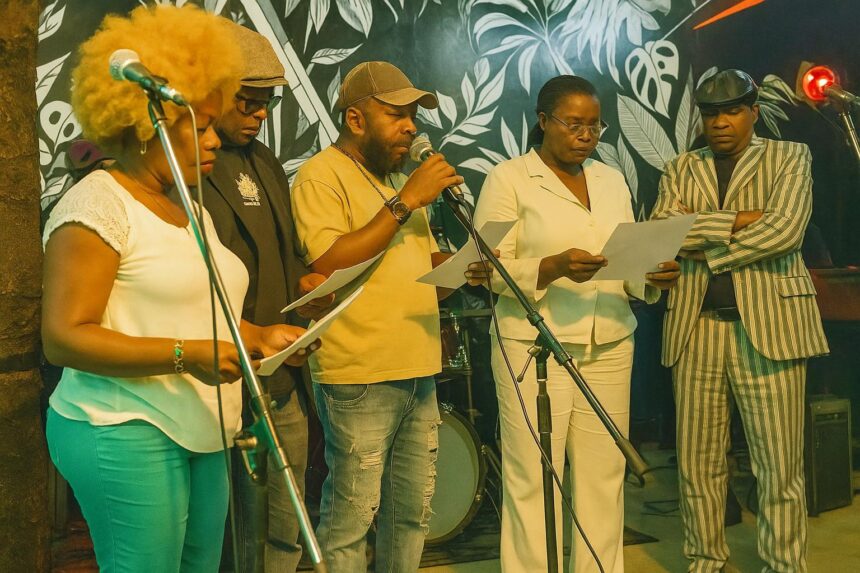
The courtyard of Kinda, near the Avenue de l’Aéroport, vibrated late into the night on 15 November as the second Bolingo Ya Rumba gathering drew hundreds of dancers, musicians and onlookers eager to celebrate the heartbeat of Congo’s urban culture.
Conceived by cultural entrepreneur Pegguy Maho and supported by the French Institute of Congo, the evening marked the climax of a two-week immersion course where seven visitors from France learned steps and codes of the rumba alongside Brazzaville talents.
Instructor Djoson le Philosophe, charismatic leader of the orchestra Super Kolo Mboka, insists the dance is more than hip movement. “Rumba tells our stories, our resilience,” he said while adjusting a guitar tuning between sets, the crowd answering with whistles of approval.
French trainees turn performers after two-week immersion
For the French participants, the transition from classroom to stage came fast. Clarisse Morel, a 29-year-old choreographer from Lyon, confessed that her heartbeat “matched the conga” during her debut routine. Audience members rewarded the troupe with chants of Mabéle, a rare honour for newcomers.
Communication officer Barbara Pamou observed that the guests were no longer trainees but “ambassadors of Congolese groove”. Her comment, echoed later on Radio Congo’s morning show, underlined a growing trend: international dancers returning home ready to spread rumba classes in their own studios.
UNESCO listing fuels pride across generations
Since UNESCO placed Congolese rumba on the Representative List of Intangible Cultural Heritage in 2021, Brazzaville’s nightspots have multiplied live sets, and schoolyards hum with improvised steps. Economists from the Ministry of Industry, Culture, Arts and Leisure estimate a fifteen-percent rise in cultural tourism.
Hotels near Poto-Poto reported full occupancy on the event night, with taxi apps wp-signup.phping a 20 percent spike in rides, according to figures provided by the Chambre de Commerce. Street vendors selling grilled makemba outside the venue also spoke of rare mid-week sales peaks.
The Bolingo Ya Rumba concept rides that momentum. Organisers framed this year’s evening under the theme of cohabitation, urging attendees to use rhythm as a language crossing ethnicity, age and nationality, a message welcomed by local authorities present in the VIP rows.

Organisers hail dance as tool for unity
Amen Mpika, director of communication at the Ministry, praised the show for “teaching conservation through joy”. He added that safeguarding rumba abroad depends on trained messengers such as the French cohort, not only on archives or academic conferences.
Local fashion designer Jeannette Ngoma showcased waist-length sapé jackets woven with bolts of the Congolese flag, proof that rumba’s revival stimulates ancillary crafts. She received three custom orders before midnight, while photographers rushed to capture the fusion of music, movement and couture.
Pegguy Maho, radiant in a sequined ndara dress, closed the night by handing certificates to dancers, musicians and logistical partners. She reminded them that each papel bearing the crest of Congo symbolises a contract to keep the rhythm alive in homes and digital feeds.
Paul ‘Mbila Esobe’ Bureau, accordion in hand, could barely contain his smile. “I have played cafés from Nantes to Nancy but never felt this surge of welcome,” he confessed, promising to add a rumba-only segment to his European gigs next spring.
February 2026 edition already in the works
Bolingo Ya Rumba will return in February 2026 with extended workshops on percussion and costume design, according to a teaser released on the event’s Facebook page. Early bird registration opens in December, organisers said, hinting at spots reserved for dancers from West Africa.
The city council is studying ways to integrate the programme into the annual FESPAM festival schedule so visitors can plan a single trip for both events, potentially doubling hotel occupancy during the dry season, officials from the Brazzaville tourist board confirmed.
À retenir
Key takeaways of the second edition resonate beyond the applause. Rumba continues to act as a soft-power emblem for Congo, international participants evolve into cultural relays abroad, and the event’s rising profile promises economic gains for local craftsmen, stage technicians and transport drivers.
Que faire ?
For readers tempted to join the movement, organisers recommend starting with daily footwork drills to tracks by Tabu Ley or Koffi Olomidé, then visiting community centres like Mbounda Arts for weekend jam sessions. Subscription details will soon appear on the French Institute’s noticeboards.
Those outside Brazzaville can follow the official Bolingo Ya Rumba YouTube channel, where 60-second highlight reels and behind-the-scenes clips drop every Thursday, ensuring the contagion of Congolese swing reaches smartphones from Pointe-Noire to Paris.
In the flicker of disco lights and nostalgic sebene guitar lines, Bolingo Ya Rumba reaffirmed that cultural identity thrives when shared, danced and documented. The promise of a bigger third act already has social networks ticking to the metronome of anticipation.