High-level review in Brazzaville
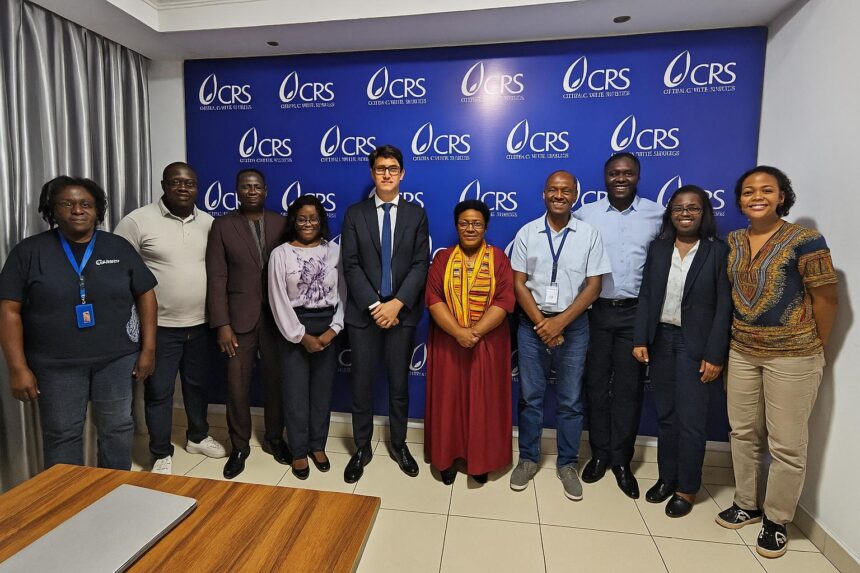
Mission review sealed two years of field work. On 7 October 2025, inside the bustling CRS headquarters in Brazzaville, senior staff from Catholic Relief Services and visitors from Gavi sat side by side, laptops open, charts projected on white walls.
The agenda was straightforward: evaluate what the ‘Zero-Dose and Under-Vaccinated Child’ project delivered between January 2024 and November 2025, decide how to protect the gains, and sketch cooperation with coming Global Fund grants targeting malaria and health-system strengthening.
Leading the Gavi mission, country manager Martin Morand listened attentively as the CRS resident representative, Dr. Alemayehu Gebremariam, unpacked a story of obstacles—measles outbreaks, remote villages, transport costs—and of innovations that pushed coverage beyond early expectations.
Impressive coverage results
Project wp-signup.phps show that nearly 9 600 of 12 000 identified zero-dose children in Brazzaville, Pointe-Noire, Plateaux, Sangha and Likouala received at least one essential vaccine, translating to a provisional 80 percent reach described by local officials as historic.
Coverage of under-vaccinated youngsters improved as well, though final tallies are still being validated by the Expanded Programme on Immunization, popularly called the PEV; early dashboards hint at double-digit jumps in pentavalent and measles doses across low-income neighbourhoods.
Health ministry supervisors present during the review applauded, yet cautioned that pockets of resistance remain among river communities where access depends on dug-out canoes and seasonal roads; they urged partners to keep mobile teams funded through at least the next rainy season.
Digital mapping drives outreach
A standout innovation was DIGIT +, a lightweight tablet application coded by Congolese developers for offline use. Enumerators tagged households, synchronised coordinates once online, and produced colour-coded maps pointing vaccinators straight to children who had never seen a needle.
‘The app saved fuel, time and sometimes lives,’ explained data manager Mireille Bemba, showing a heat map of Likouala where a single outboard journey now replaces three separate trips. She added that open-source licensing keeps maintenance affordable for the national EPI.
CRS reported that 320 front-line health workers have been trained on DIGIT + basics, while district statisticians learned to merge output with DHIS2, the government’s health information backbone, ensuring that digital case-finding feeds directly into official coverage metrics.
Human faces of immunisation
In the meeting room, a short video clip silenced the laptops. It followed Farida, a mother of three from Ngoyo, bargaining fish at dawn before walking to a temporary clinic where her youngest finally received polio and measles shots on the same morning.
‘I feared the needles, but the nurse spoke lingala and prayed with me,’ Farida said in the clip, drawing smiles from officials who know persuasive communication remains as critical as cold-chain fridges in building public trust.
Radio stations from Plateaux to Sangha aired more than 600 short spots in lingala, kituba and French, normalising immunisation conversations during market hours and evening football commentaries; local leaders often recorded the messages themselves, something CRS staff credit for uptake.
Securing future funding
With official closure imminent, both CRS and Gavi stressed that the conversation shifts from remarkable outputs to long-term financing. Participants floated a model where Gavi and the Global Fund co-manage programme-management units, pooling back-office costs for vaccines and malaria commodities from 2027 onward.
Martin Morand called the idea ‘smart economics’, noting that each percentage point saved on administration can buy thousands of child-size syringes. Dr. Gebremariam agreed, adding that alignment with national health-sector plans keeps donor collaboration firmly in line with Congo’s development vision.

Several ministry budgeting officers present mentioned rising fuel and cold-chain electricity costs as potential threats. Gavi delegates suggested pairing solar fridges with community maintenance committees, a model tested in neighbouring Gabon, and promised technical notes before the final closure ceremony.
What comes next for the PEV
An official wrap-up session will convene in Brazzaville later this quarter to unveil audited figures, capture lessons and endorse recommendations to fortify the PEV. Invitations are expected to include parliament’s health commission and representatives of parent associations.
CRS communication lead Danièle Louamba said her team is preparing a concise field manual on locating zero-dose children, blending digital checklists, radio script templates and procurement tips; the document will be free for all departments and civil-society groups.
For now, the atmosphere remains optimistic inside the CRS compound. As participants exchanged farewell handshakes, the shared refrain was clear: keeping every Congolese child on the immunisation schedule is possible, provided innovative tools, community voices and steady partnerships stay in play.
Parents in Pointe-Noire told reporters that real-time SMS reminders, tested in three health zones, reduced missed appointments for the second pentavalent dose; local analysts hope the feature can be scaled nationally in 2026.
For families seeking vaccination schedules, the PEV hotline 3434 operates Monday to Saturday from 7 am to 7 pm; callers in lingala, kituba or French receive guidance on nearest clinics, required child documents and upcoming outreach dates.