Three nights of full houses
For three straight evenings, from 23 to 25 October, the Savorgnan De Brazza hall of the French Institute of Congo pulsed with laughter. More than 1 800 spectators packed the 600-seat venue each night, according to organisers who reported a 20 % rise in ticket sales (Les Dépêches de Brazzaville, 24 Oct 2025).
Under the slogan “Let’s Laugh Big”, the 18th edition of the Tuseo International Comedy Festival positioned itself as an antidote to daily stress. Tickets started at 5 000 FCFA, an accessible price that helped attract students, families and civil servants eager for affordable entertainment (IFC programme).
A true Francophone crossroads
Tuseo’s 2025 line-up featured sixteen comedians from eight countries, confirming its unique status in Central Africa. Acts arrived from Guinea, Mali, Gabon, the Democratic Republic of Congo and the French West Indies, joining a dozen Congolese performers for sketches, stand-up and audience-driven improvisation (RFI, 26 Oct 2025).
Festival founder Lauryathe Bikouta highlighted the Caribbean presence as “a long-held dream finally achieved”, noting that the Guyanese comic Pétronille Zézé drew cheers with a routine mixing Creole and Lingala phrases that resonated across the linguistic spectrum of Brazzaville’s young crowd.
Home-grown comics steal the spotlight
Local favourites Juste Parfait and Eddy Bayo returned to the stage where they started in 2004, delivering punchlines on taxi fares, mobile data costs and football fandom. “If people are laughing, we’re winning; silence is for vigils,” Juste Parfait joked moments after walking offstage to a standing ovation.

Singer-comedian Serro Kassa blended Kingoli rhythms with sharp one-liners on wedding budgets, reinforcing Tuseo’s strategy of fusing music and humour. The hybrid format kept the energy high and offered emerging bands space to test songs in front of a receptive, rhythm-loving audience.
Guyane and Bukavu voices extend the range
For the first time, a performer from France’s overseas departments joined the bill. Pétronille Zézé’s set contrasted tropical rainstorms in Cayenne with Brazzaville’s Harmattan dust, proving that geographical distance cannot dilute shared Francophone humour.
Equally poignant was the appearance of Dan Mukeba from Bukavu, eastern DRC. His playful take on border crossings drew awareness to a region often mentioned only for conflict. “My passport gets stamped for cardio exercise,” he teased, earning both laughs and a moment of solidarity.

A springboard with global ambitions
Created in 2004, Tuseo has seen 21 years of uninterrupted programming, even during pandemic limitations when outdoor shows in city courtyards kept the flame alive. Many now-famous names, such as Hervé Kimenyi and Jocelyne Mokono, trace their first professional microphone to the festival’s open-mic sessions.
The brand is already travelling. After pop-up editions in Paris and Brussels, organizers announced plans for a 2026 Toronto showcase targeting the growing African diaspora in North America. “Exporting Congolese laughter is another way of exporting our culture,” Bikouta told reporters after the closing curtain.
Economic ripple effect in the city
Beyond the stage, nearby restaurants reported a 30 % bump in evening turnovers, with grilled chicken vendors outside the IFC selling out before midnight. Ride-hailing services added surge capacity, highlighting how cultural events feed Brazzaville’s night-time economy (Chamber of Commerce estimate).
The Ministry of Arts and Tourism, which provided logistical support, praised the festival’s “positive image for the nation” and hinted at tax incentives for private sponsors willing to invest in future editions. Several telecom companies have already expressed interest in a naming partnership.
Keeping humour safe and inclusive
Tuseo’s code of conduct forbids hate speech, and a moderation team reviews sets beforehand. That policy allowed performers to tackle sensitive issues—electricity cuts, price inflation, even VAR controversies in football—while avoiding personal attacks. The approach earned praise from civic groups advocating respectful public debate.
Security was visible but discreet, managed by IFC staff and municipal police who reported no incidents. Attendees entered through metal detectors, part of Brazzaville’s broader effort to safeguard cultural gatherings after last year’s nationwide review of event protocols.

What next for the festival
Organisers aim to double the number of writing workshops in 2026, nurturing a pipeline of young storytellers from Brazzaville’s schools. Plans also include livestreaming shows for Congolese communities in Pointe-Noire and Paris, widening access without inflating hall capacity.
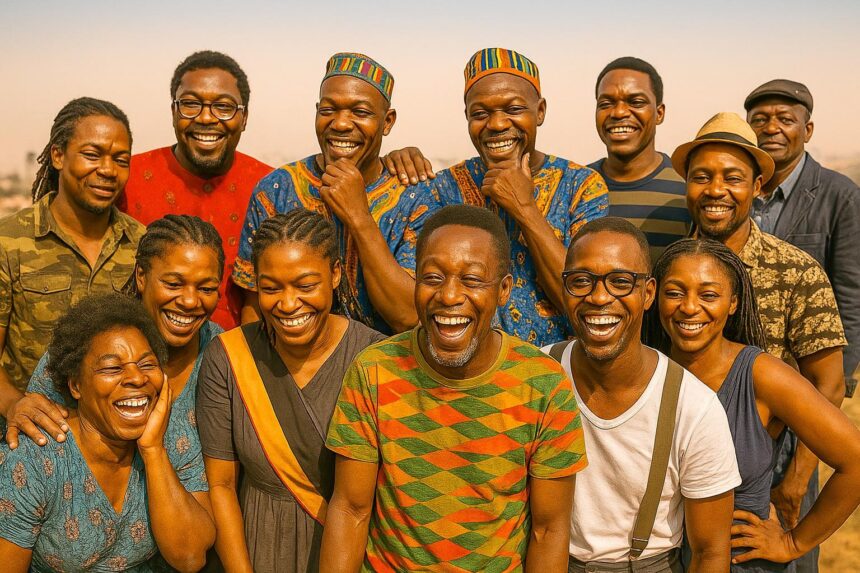
Before leaving the stage, Juste Parfait summed up the festival’s spirit: “Laughing together is how we remember we’re on the same team.” As the lights came up and smartphones flashed, that sentiment felt shared by every smiling face streaming out into the warm October night.