EAD unveils life-changing sponsorship
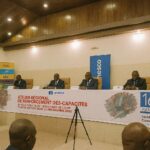
On 15 December in the bright hall of Brazzaville’s district four town hall, association Enfants à venir de demain, better known as EAD, unveiled a long-term sponsorship programme designed to steer children orphaned by HIV towards a safer, healthier adulthood.
- EAD unveils life-changing sponsorship
- Support spans school, health and guidance
- Community urged to fill funding gap
- Gift drive lights up CHU-B wards
- Youth testimonies highlight impact
- From grassroots start-up to recognised NGO
- Step-by-step guide to sponsor a child
- Doctors link care to treatment success
- A promise that outlives the holiday
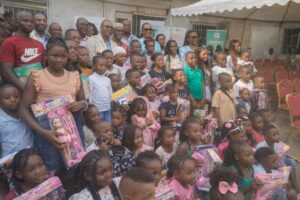
Nearly sixty youngsters left the gathering clutching tablets, dolls or footballs, first tangible benefits of the initiative championed by EAD founder and president Mireille Amona, who stressed that anyone may choose to support a child for a year, several years, or even for life.
Support spans school, health and guidance
The sponsorship covers school fees, uniforms, textbooks, regular medical follow-up and personalised social guidance, a package the organisation believes can break the cycle of exclusion too often surrounding children who have lost one or both parents to AIDS-related complications.
A digital form on EAD’s website generates a contract tailored to each donor’s capacity; contributions start at the price of a daily coffee, Ms Amona remarked, insisting that transparency reports will be posted quarterly on Facebook and WhatsApp to reassure guardians and sponsors alike.
Community urged to fill funding gap
Calling the moment “a collective test of compassion”, she noted that international funding for paediatric HIV programmes has declined, making domestic solidarity indispensable; she publicly thanked government health teams and the First Lady, Antoinette Sassou-Nguesso, for their longstanding attention to vulnerable children.
“Medical care keeps a child alive; community care lets that child dream,” Ms Amona told the audience, flanked by paediatricians from the University Hospital Centre of Brazzaville and officials of the National Programme Against AIDS, PNLS, who echoed her appeal for coordinated action.
Gift drive lights up CHU-B wards
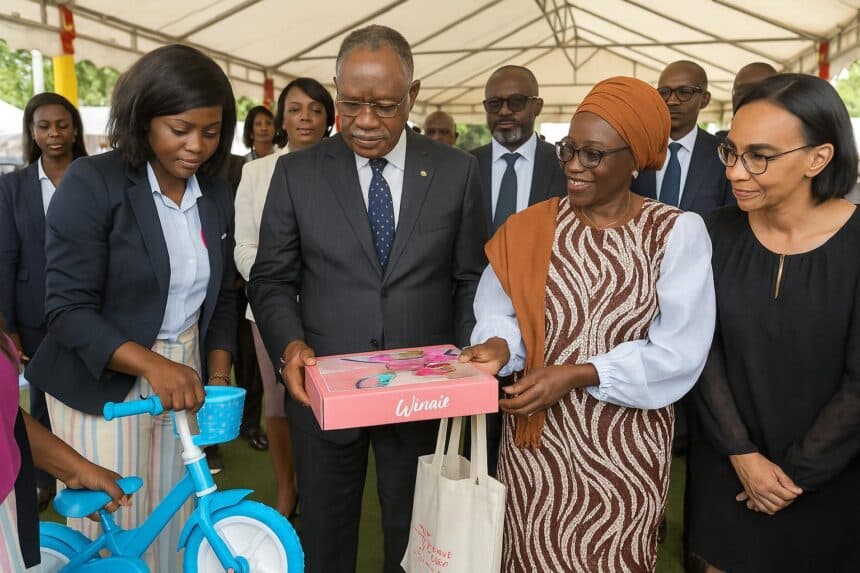
A second highlight of the afternoon came when boxes of PSP games, remote-controlled cars and inflatable balls were wheeled in, transforming the hall into an impromptu playground and offering a brief escape from clinical routines for children currently followed at the hospital’s ambulatory treatment centre.
EAD selected beneficiaries in concert with ward nurses, giving priority to double orphans whose extended families struggle to finance basic items; some youngsters travelled from Makélékélé and Talangaï districts, a reminder that the HIV burden in Congo’s capital extends well beyond the city centre.

Laughter bounced off the walls as children tested their new toys; several caregivers discreetly wiped away tears, saying the moment restored courage after months dominated by pharmacy queues and lab results, realities that receive little media coverage compared with the excitement of Brazzaville’s football weekends.
Youth testimonies highlight impact
Sixteen-year-old Yann, thin yet radiant this day, whispered that he had yearned for a tablet to follow maths tutorials on YouTube; “my dream just crossed the door,” he smiled before promising to show his aunt how to send voice messages.
Volunteer Sandrine B. recalled her own childhood during the civil conflicts of the 1990s: “A stranger’s kindness changed my path; sponsoring today is my way of handing the flame to another generation,” she said while helping children install game updates.
From grassroots start-up to recognised NGO
The association itself was created in 2017 by health professionals aware that many paediatric cases slipped through traditional aid circuits; after years of groundwork, EAD obtained official recognition earlier this year, allowing it to open a dedicated child-friendly office in Moungali arrondissement.
Beyond HIV, its teams mentor youngsters living with sickle-cell disease, physical disability or extreme poverty, seeking to cushion what Ms Amona calls the “triple penalty” of illness, destitution and loss of family structure that too often pushes adolescents toward early dropout or street life.
Step-by-step guide to sponsor a child
To join the pledge, citizens are invited to fill the online form, choose a contribution tier and follow a brief orientation about child-protection guidelines; sponsors then receive periodic photos, school reports and voice notes, fostering a personal bond rather than a distant charitable transaction.

According to PNLS data presented during the ceremony, Brazzaville counts several thousand children affected by HIV; while antiretroviral coverage has improved, psychosocial support remains uneven, a gap the new scheme hopes to narrow with grassroots participation and digital monitoring tools.
Doctors link care to treatment success
Dr Jean-Marie Okemba, a paediatrician at CHU-B, underlined that early educational reinforcement correlates with better therapeutic adherence; “A child who feels valued is more likely to take daily medication without fear,” he said, encouraging companies to integrate sponsorship into corporate social responsibility budgets.
A promise that outlives the holiday
As dusk settled over the Congo River, the last families left carrying both toys and newly signed forms, symbols of a promise that runs deeper than a festive gesture; for Yann and his peers, the road ahead still holds challenges, yet companionship has just gained ground.