
Brazzaville Embraces Slam for Change
Early December 2025, Brazzaville’s Institut Bana Moyi will swap classroom hush for microphone feedback as the city inaugurates the first Human Rights Slam Festival, a fresh platform where rhyme, rhythm and citizenship meet under the coordination of the Centre d’Actions pour le Développement.
The project already wears an international badge: CIVICUS honored it with the Nelson Mandela – Graça Machel Innovation Award, a sign that the Congolese capital’s creative scene can speak to global conversations on freedom, justice and participatory democracy.
Behind the microphone stands Guerschom Gombouang, better known as Guer2mo, both advocacy manager at CAD and artistic director of the festival, who sees spoken-word poetry as, in his words, “a megaphone that nobody can switch off once the public takes ownership”.
Three Days of Spoken Word Energy
From 8 to 10 December, the courtyard at Ex-Télé’s street Soweto number 20 will turn into an open-air auditorium, lights strung between mango trees, as hundreds of young voices prepare to channel lived realities into carefully weighted syllables.
The timetable is dense yet breathable: afternoons reserved for debates, early evenings for the Voix Libre competition, and nights for full-fledged concerts where Brazzaville and Pointe-Noire talents share the stage without hierarchy.
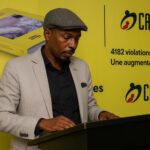
Organizers promise strictly timed sets to keep momentum high, a choice inspired by radio formats popular with commuters who often discover slam during minibus rides across Talangaï, Bacongo or Tié-Tié.
Voix Libre Contest Offers Career Boost
The Voix Libre contest, running its second edition, remains the festival’s beating heart: finalists compete for a studio session, a professionally directed music video, dedicated media coaching and the gleaming statuette that could open cultural-center doors across the country.
Last year’s winner saw his online streams triple within weeks, according to CAD monitoring, proof that visibility works as real currency in an industry where grants are scarce and self-production the norm.
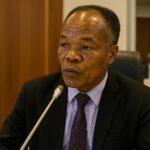
Guer2mo insists the competition is less about crowning a champion than about “building a cohort”, encouraging returning participants to mentor newcomers so that the scene strengthens organically instead of relying on sporadic contests.
Associations Hub Fosters Cooperation
Daylight hours will center on a small-scale civic fair: twelve NGOs and community groups each occupy a bamboo booth to display flyers, podcasts, even board games explaining the constitution, turning abstract rights into tactile experiences.
A short walk from the stands, volunteers from a local sign-language collective translate poems for deaf visitors, illustrating the festival’s broader ambition to make inclusion feel natural rather than ceremonial.
Multiple schools have scheduled field trips, teachers framing the outing as both literature class and civic-education module, an approach that resonates with government calls for youth engagement anchored in cultural pride.
Workshops Turn Audiences into Actors
Panel discussions tackle themes such as women’s rights, digital activism and environmental justice, each moderated by an experienced journalist to balance artistic emotion with factual clarity.
Writing workshops, limited to fifteen seats, provide budding poets techniques on breath control, metaphor layering and stage presence; sessions fill fast, reflecting a growing appetite for home-grown creative skills that do not require expensive equipment.

CAD also sets up a recording corner where visitors can spontaneously record a one-minute statement on any right they deem essential; the clips will be edited into a social-media mosaic after the festival, extending conversation beyond the physical venue.
A Date That Echoes a Global Celebration
The closing night aligns with 10 December, International Human Rights Day, giving the final cypher additional symbolism as performers echo the Universal Declaration’s articles through linguistic play rooted in Lingala, Kituba and French.
Entry remains free throughout, a decision the organizers describe as non-negotiable because, they argue, rights discussions lose relevance the moment a price barrier keeps citizens outside the gate.
Local Impact Beyond the Stage
Neighbourhood eateries expect a welcome boost: samosa vendors outside the gate anticipate doubling sales, while taxi-motos report advance bookings from fans living as far as Madibou, a reminder that culture also turns economic wheels at street level.
CAD negotiated discounted data packages with two telecom operators so audiences can livestream performances; organisers argue that virtual doors must stay as wide open as the physical ones for Congolese living abroad.
Security teams from the arrondissement, working alongside volunteer stewards, will manage crowd flow and first aid, illustrating a collaborative model praised by municipal authorities for blending community trust with professional oversight.
Looking ahead, CAD hints at a touring version to reach Ouesso, Dolisie and Oyo, echoing President Denis Sassou Nguesso’s encouragement of cultural initiatives that strengthen national cohesion while giving young people constructive outlets.
Local radio station Radio Mucodec will run nightly recaps, including listener call-ins analysing punchlines and delivery techniques; producers hope the interactive segment will demystify poetry for older audiences who grew up with rumba but are still discovering spoken word.
City hall will illuminate nearby streets in festival colors to guide late pedestrians safely.