Rapid prenatal screening in Brazzaville
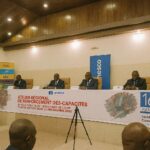
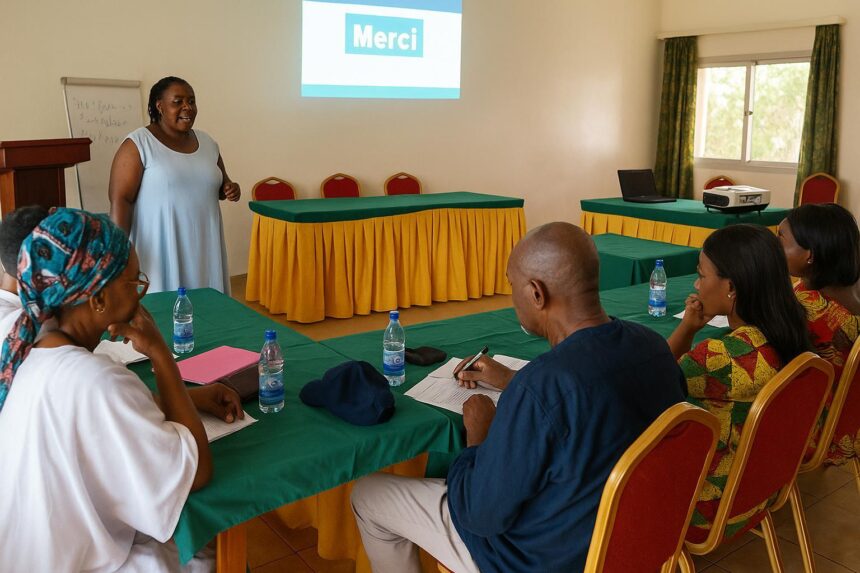
Brazzaville’s Makélékélé health district hall filled with white coats and community leaders as the Congolese Association for Public and Community Health, ACSPC, unveiled fresh figures from its prevention drive supported by UNICEF.
Technical coordinator Marianne Bayonne told district chiefs from Ouenze and Talangaï that systematic HIV screening at the first antenatal visit is now routine in their facilities, a shift she calls a “game changer” for mother-to-child transmission.
Conference folders showed that more than three thousand pregnant women were tested between July and December in Brazzaville and neighbouring Pool Department, with counselling immediately offered to every client regardless of status (ACSPC report).
Makélékélé, Ouenze and Talangaï concentrate some of the city’s fastest-growing settlements, where youthful populations and economic migration intersect with limited clinic space, making them strategic entry points for high-impact interventions.
Protecting newborns from day one
Once a mother returns a positive result, health workers schedule monthly follow-ups, viral load checks and delivery planning designed to keep the baby’s first breath free of HIV.
Bayonne stressed that newborns from positive mothers are swabbed in the maternity ward before they even leave their blanket, because catching the virus early allows immediate antiretroviral therapy that blocks progression to AIDS.
Paediatricians in Kinkala and Mindouli confirmed that early-tested infants show higher retention in care, a trend echoed by recent UNICEF regional monitoring, although comprehensive national figures are still under review.
Taking the message to the streets
Beyond hospital walls, ACSPC volunteers walk the dusty lanes of Bacongo at dusk, carrying cooler boxes filled with rapid tests, colourful flyers and discreet envelopes of condoms.

Street concerts and football mini-tournaments create a relaxed space where peer educators answer tough questions about sexuality in Lingala and Kituba, reducing stigma that still keeps some residents away from clinics.
According to community logs, nearly eight hundred adults accepted testing during the last three neighborhood campaigns, with results delivered on the spot and confidential referrals offered for confirmatory laboratory work.
Field supervisors record each visit on a tablet linked to the national DHIS2 platform, allowing health authorities to visualize hotspots in real time and redirect counsellors toward under-served alleys the following week.
A young mother in Talangaï, Reine Mavoungou, shared that the mobile tent saved her transport money and time: “I was sure I would be judged at the hospital. Here they listened, explained and I felt safe.”
Home self-tests bring partners on board
To reach men, who often miss antenatal visits, the programme introduced HIV self-test kits distributed by pregnant partners during routine check-ups.
Nurses demonstrate the cheek-swab procedure to the women, then ask them to explain it back, ensuring the message travels home intact along with the sealed kit.
Bayonne says partners who self-test positive are counseled to visit the nearest centre for confirmation, but those who test negative are equally urged to adopt regular screening and safer-sex practices to stay that way.
Preliminary feedback suggests the discreet home approach reduces tensions that sometimes arise when men are invited directly to facilities, a finding consistent with studies in Cameroon and Zambia cited by UNICEF advisers.
Logistical hurdles and local fixes
Despite progress, supply challenges linger. Clinics sometimes run short of alcohol swabs, dried blood spot cards and even simple vacutainer tubes, forcing teams to borrow stock from neighbouring districts.
Bayonne admits the gaps slowed momentum in November, yet praises local authorities who authorised emergency purchases and fuel allowances so outreach vans could keep their weekend schedule.
UNICEF’s Brazzaville office confirms additional consignments of paediatric antiretrovirals and test reagents have been cleared at the port and should stabilise stocks for the first quarter of 2024.
Community committees also negotiate with local pharmacies so that, during stock-outs, pregnant women can receive critical prophylaxis at a subsidised price, reimbursed once public supplies arrive.
Early testing, lasting impact
The Congolese Ministry of Health estimates that about 1.3 percent of adults live with HIV, lower than the regional average, yet mother-to-child transmission still accounts for thousands of new paediatric infections each year (UNAIDS 2023 data).
Experts say early testing, combined with modern triple-drug prophylaxis, can push that rate below the World Health Organization benchmark for elimination of vertical transmission.
Public health economist Lucien Kimba notes that every dollar invested in prevention saves approximately four in future treatment costs, a ratio he says should convince more development partners to join the campaign.
For families, the benefits are practical. A healthy baby avoids costly hospital stays, and parents can focus on work and school rather than complex care routines.
Bayonne sums up: “Each HIV-free baby proves prevention works. With steady supplies and trust, we can picture a Congo where no child is born with the virus.”
ACSPC will release a full impact brief in March and aims to add hepatitis B screening to the same prenatal bundle.