Pan-African paediatric surgeons meet in Brazzaville
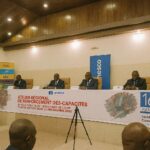
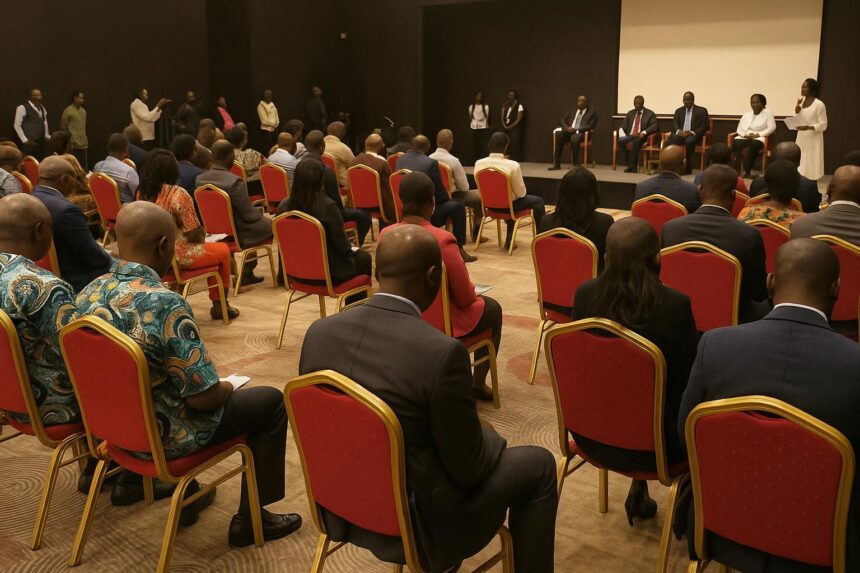
The bright halls of the Centre international de conférences de Brazzaville filled with white coats and colourful flags as the 10th African Society of Paediatric Surgery congress, twinned with the inaugural Congolese meeting, opened on 20 November.
Presiding surgeon Caryne Mboutol Mandavo welcomed delegates from fifteen African countries, reminding them that the event coincides with Universal Children’s Day, a symbolic moment to “consecrate our vocation to their well-being, development and growth”.
For three days surgeons, anaesthetists, physiotherapists and researchers will compare protocols, share case studies and attempt to write practical guidelines capable of reaching hospitals far beyond capital cities.
With simultaneous translation in French, English and Portuguese, a mobile app uploads slides within minutes, letting young residents follow everything on their smartphones.
Bone health and Africa’s growth
The chosen theme, childhood bone disease and sustainable development, may sound technical, yet the stakes are social and economic. A healthy skeleton today, organisers argue, produces a productive adult tomorrow.
“When a boy or girl stands straight without pain, that future worker, parent or innovator can fully contribute to the nation,” Dr Mboutol Mandavo stressed, linking orthopaedics to the African Union’s Agenda 2063 targets.
Early surgeries offer instant impact
Even before the first plenary, volunteer teams examined twenty Congolese children during a three-day pre-congress clinic. Five urgent surgeries were performed free of charge: two neglected club feet, two complex knees and a sequela of paralysis.
The gesture underlines a practical philosophy. “Scientific debate is useful only if the child on the ward feels the result,” explained scientific committee chair Faustin Mouafo Tambo.

Four priorities shaping the debates
Delegates divided their schedule around four pressing sub-themes. First come congenital limb deformities, which remain under-diagnosed in rural districts where prenatal imaging is scarce.
The second focus examines osteo-articular infections still too frequent in daily practice, often turning minor wounds into lifelong disabilities if antibiotics or theatres arrive late.
Third on the list are bone tumours. Early detection, combined with multidisciplinary care, can preserve limbs and life, yet many families reach specialists after costly pilgrimages through informal providers.
Finally, paediatric trauma grows along with Africa’s bustling roads and construction sites. Surgeons are sharing data on low-cost implants and rehabilitation exercises suited to resource-limited settings.
Women surgeons celebrated
Congo’s Minister for Higher Education, Professor Delphine Edith Emmanuel Adouki, represented the Health Ministry at the opening and seized the microphone to applaud women in white coats.
“Science is feminine,” she smiled, arguing that young girls can excel in demanding surgical careers and strengthen national health systems. Her words drew loud applause from residents balancing motherhood, night shifts and research posters.
Toward a connected surgical network
Beyond podium speeches, the societies aim to weave an enduring network. A shared digital registry of paediatric orthopaedic cases is under discussion, potentially linking Brazzaville, Dakar, Yaoundé and Nairobi in real time.
Such data, proponents say, will help map prevalence, track outcomes and direct scarce resources where they matter most, an approach aligned with the government’s e-health ambitions.
A mentorship programme, slated for January, will pair senior professors with rural clinicians through monthly video rounds, ensuring knowledge shared in Brazzaville does not stay in conference halls.
Practical tips for families
While experts debate algorithms inside, many parents queue outside for basic guidance. Surgeons repeatedly emphasise the red flags: persistent limb pain, swelling, night fevers, unequal leg length or a child refusing to walk.
Early consultation at the nearest health centre, they insist, can avert expensive referrals. Simple measures like vaccination, safe play environments and road-safety helmets remain the first line of orthopaedic defence.
Legacy of the 10th SACP congress
The Brazzaville congress closes on 22 November after adopting consensus statements expected to circulate to ministries and medical schools. Draft versions already recommend integrating paediatric bone screening into routine immunisation visits.
Organisers also plan joint training missions, pairing tertiary surgeons with district teams to perform complex operations on site rather than evacuate patients abroad, cutting family costs and keeping expertise in country.
Sponsorship remains a hurdle. Equipment suppliers exhibit sleek titanium plates in the lobby, yet most paediatric wards struggle with basic drills. Delegates hope clear national policies will reassure investors and charities alike.
Still, the mood is optimistic. “Our continent’s demographic boom is not a burden but an invitation,” Dr Mouafo Tambo concluded. “Healthy bones, healthy economies: that is the equation we want to solve in Brazzaville.”