Why hypertension dominates public health debate
The echo of blood-pressure cuffs was almost tangible when clinicians, researchers and policymakers converged on Brazzaville for a two-day scientific meeting on 18 December. Their shared concern: a condition quietly affecting between 25 and 26 percent of Congolese adults, yet rarely discussed over family dinner tables.
- Why hypertension dominates public health debate
- Intense scientific programme draws regional talent
- Numbers tell a continental story
- State investments change the treatment map
- SHAMI pushes screening beyond city limits
- Barriers that still block widespread control
- Lifestyle shifts remain the first medicine
- Training the workforce for early detection
- Commitment forged for the years ahead
Hypertension’s nickname, the silent killer, resonated through the opening remarks. Speakers reminded the audience that unchecked high pressure is a chief driver of strokes, heart attacks and kidney failure, claiming close to nine million lives each year around the globe.
Intense scientific programme draws regional talent
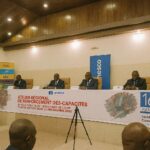
Across the crowded halls of the capital’s university hospital, 35 formal lectures, 36 peer-reviewed papers and two hands-on electrocardiogram workshops unfolded at high tempo. Delegations arrived from Pointe-Noire and Bangui, adding regional breadth to conversations normally held inside hospital break rooms.
Professor Donatien Moukassa, chief of staff at the Ministry of Health and Population, shared the chair with Professor Bertrand Elenga Mbolla, who leads the Congolese Society of Hypertension and Internal Medicine, known by its French acronym SHAMI. Their joint stewardship set a tone of open, evidence-based exchange.
Numbers tell a continental story
Presenters placed Congo’s data within a larger African canvas. Up to 28 percent of adults in Sub-Saharan Africa now live with elevated blood pressure, mirroring global estimates that surpass a staggering one billion people in 2024. Local pockets, speakers warned, climb still higher, especially where urban diets meet limited primary care.

More sobering, over half the hypertensive population never receives a formal diagnosis. Among those who do, many cannot afford a consistent prescription, and fewer than one patient in two sees readings fall back within healthy ranges despite treatment.
State investments change the treatment map
Professor Moukassa highlighted concrete steps already taken at national level. New referral hospitals, the launch of a Universal Health Insurance Fund and the creation of the National Institute of Biology and Health Surveillance illustrate what he called “a deliberate political choice to protect families from preventable deaths”.
He underlined that early detection and subsidised medication remain embedded in the government’s health-sector roadmap, echoing directives championed by President Denis Sassou Nguesso to bring essential services closer to citizens.

SHAMI pushes screening beyond city limits
From market squares in Brazzaville to remote districts reachable only after river crossings, SHAMI teams have spent the past decade measuring blood pressure, offering counselling and linking positive cases to local clinics. Professor Elenga Mbolla saluted the resilience of volunteers who keep returning despite logistical snags and patchy road networks.
Delegates applauded accounts of rural campaigns where simple hand crank generators powered portable ECG machines and where a single extra patient identified could mean one less household funeral.
Barriers that still block widespread control
Yet the conference did not gloss over persisting hurdles. Public awareness remains low; many citizens still view dizziness or headaches as isolated incidents rather than warning lights on a cardiovascular dashboard. Distance and transport costs deter follow-up visits, especially for pensioners on fixed incomes.
Affordable medicine supply chains also wobble. Stocks of generic antihypertensives fluctuate, forcing some patients to ration pills or switch brands mid-course, a practice clinicians say undermines blood-pressure stabilisation.
Lifestyle shifts remain the first medicine
Throughout the panels, one refrain carried: drug therapy cannot operate alone. Speakers urged a national conversation on salt intake, advocating smaller portions of salted fish and packaged snacks that now crowd urban kiosks.
Doctors promoted brisk walking in neighbourhood streets, weight management, moderate alcohol habits and quitting tobacco. Evidence presented showed these measures could delay pharmacological treatment or cut pill counts, savings that matter for households balancing school fees and transport.

Training the workforce for early detection
The two practical workshops on ECG interpretation drew packed audiences of young residents and nurses. Learning to read subtle arrhythmias equips first-line providers to catch cardiac strain earlier, said facilitator Dr Josiane Obongo. Attendees left clutching flashcards and phone-based apps that decode rhythm strips in seconds.
Organisers promised to replicate the module in Pointe-Noire next quarter, linking continuing education credits to participation so that rural clinicians feel equally valued.
Commitment forged for the years ahead
In final resolutions, delegates pledged to strengthen data collection, harmonise treatment protocols and lobby for tax incentives that keep essential drugs affordable. SHAMI will coordinate periodic mass-screening days, while the health ministry examines options to integrate blood-pressure checks into routine ID card renewals.
As applause closed the meeting, Professor Moukassa summed up the mood: “Hypertension may travel silently, but our response will speak loudly.” The words drew a standing ovation, signalling that Brazzaville’s summit was more than academic—it was a rallying point for shared responsibility.