Regional experts meet in Brazzaville
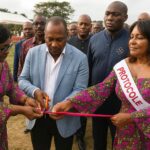
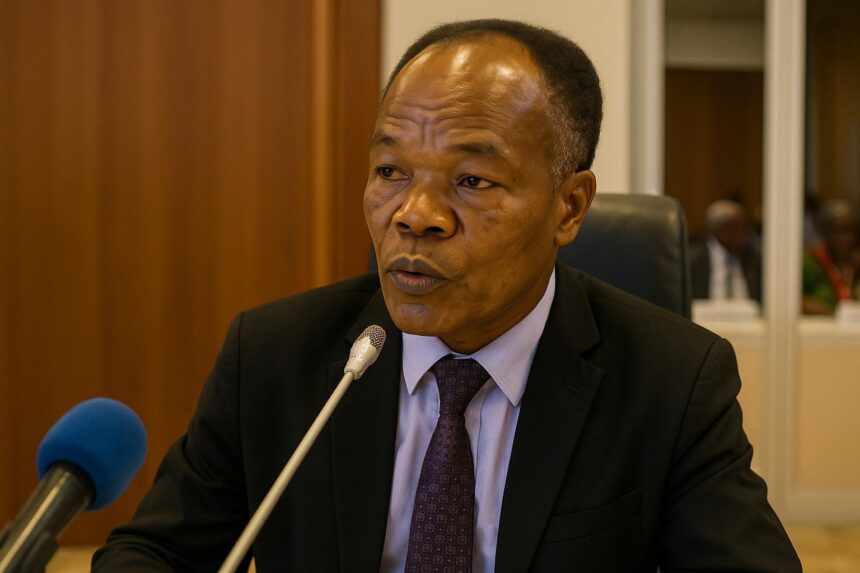
For four intense days, 2–5 December 2025, Brazzaville turned into Africa’s anti-polio nerve centre, hosting the 35th meeting of the African Regional Certification Commission for Polio Eradication, the C.R.C.A., where scientists, officials and partners sharpened the final strategy against the crippling virus.
- Regional experts meet in Brazzaville
- Why polio still threatens Central Africa
- Focus on Congo’s specific gaps
- Recommended actions on surveillance and vaccines
- Partners promise technical backup
- Community surveillance innovations
- What eradication means for households
- Next steps toward continental certification
Delegations from Angola, Ethiopia, Senegal, Chad and the Republic of Congo compared field data, audited vaccination records and drafted a road map aimed at granting the continent lasting freedom from both wild and vaccine-derived polioviruses.
Why polio still threatens Central Africa
Despite solid progress since the 2024 session in Dar-es-Salaam, experts warned that new outbreaks along the Lake Chad basin and in southern Angola prove the virus remains opportunistic, with fresh detections even reported across the Namibian border.
Population movements, porous borders and uneven vaccination coverage create pockets where poliovirus can circulate silently before sudden paralytic cases appear, noted Professor Rose Gana Fomban Léké, chair of the Commission, who urged delegates to treat every isolate as a continental emergency.
Laboratory updates in Brazzaville also confirmed the appearance in 2025 of mutated poliovirus types 1 and 3, with new clusters charted in Algeria and Djibouti, amplifying the call for synchronised mass immunisation across national frontiers.
Focus on Congo’s specific gaps
The country review session praised Congo’s swift reporting of roughly twenty cases logged since 2023 yet highlighted weaknesses that could allow renewed transmission if left unattended.
National vaccine coverage remains under the 90-percent safety line, environmental surveillance in high-risk districts trails global targets, and five stool specimens disappeared while being shipped to the reference laboratory in Kinshasa, according to the meeting minutes.
Humanitarian corridors in the north-east, where refugees from the Democratic Republic of Congo settle, have received too few outreach visits, raising concern that silent circulation could leap borders before health teams detect it.

Recommended actions on surveillance and vaccines
Commissioners therefore asked the Congolese programme to reinforce domestic ownership of surveillance, institutionalise cross-border data exchange with Angola, Cameroon and the DRC, and finalise a nationally financed containment plan aligned with the Global Polio Eradication Initiative standards.
“Our challenge is not technical; it is organisational,” observed Dr Jean-Claude Moboussé, adviser to the Minister of Health and Population. He argued that real-time reports from every health zone will allow micro-planning and rapid mop-up campaigns whenever a positive sample surfaces.
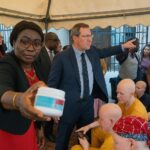
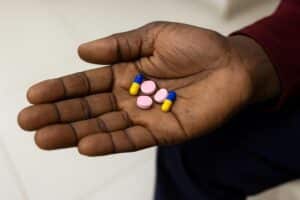
On the immunisation front, teams will soon pilot weekend clinics at markets and bus terminals in Brazzaville and Pointe-Noire to reach busy parents, while radio jingles in Lingala, Kituba and French remind households that polio drops remain free and safe.
Partners promise technical backup
UNICEF regional coordinator André Yameogo confirmed his agency will finance cold-chain upgrades and deliver solar refrigerators to twelve peripheral districts so vaccines stay potent despite electricity fluctuations.
The World Health Organization, for its part, highlighted the renovation of the sub-regional genomics network, enabling laboratories in Brazzaville and Douala to run real-time sequencing and share results within seventy-two hours, drastically shrinking the gap between detection and response.
Civil society groups, including youth associations and faith communities, pledged to fight misinformation online. “Parents listen when advice comes from someone they meet at church or the football pitch,” explained Denise Ngatsibo, who coordinates a 300-member community health volunteer network.

Community surveillance innovations
Health workers displayed a simple phone application developed by Congolese coders that lets village volunteers record cases of sudden limb weakness and transmit GPS-tagged alerts to district epidemiologists within minutes, bypassing paper logbooks that previously caused delays.
Since its pilot launch in the Pool department, the app has doubled the speed of case investigation and cut transport costs for stool specimens, results the Commission encouraged other member states to replicate with local adaptation.
Community radio hosts in remote Sangha villages now air weekly ‘polio minutes’, during which listeners phone in to describe any child under fifteen who suddenly stops walking; the best-documented tip wins a small mobile recharge, creating a friendly race for early notification.
What eradication means for households
For Congolese families, eliminating polio means tangible savings. Treating one paralytic child can swallow several years of earnings in physiotherapy and adaptive equipment, a financial weight that often forces households to sell land or livestock.
By contrast, the oral vaccine costs the state less than a loaf of bread per dose. Economists at the Ministry of Planning estimate every franc invested in prevention returns ten in future productivity, school attendance and avoided medical expenses.
Next steps toward continental certification
Before adjourning, Professor Donatien Mounkassa, director of the ministerial cabinet, lauded the session’s spirit of solidarity and pledged that Congo will keep strengthening routine vaccination and react swiftly to any poliovirus threat “with the rigour our people deserve”.
The final communiqué tasks every attending country with quarterly progress reports ahead of the 2026 review planned for Addis Ababa. If recommendations translate into action, experts say Africa may proclaim itself polio-free within the decade, protecting millions of children forever.