Brazzaville celebrates rare double
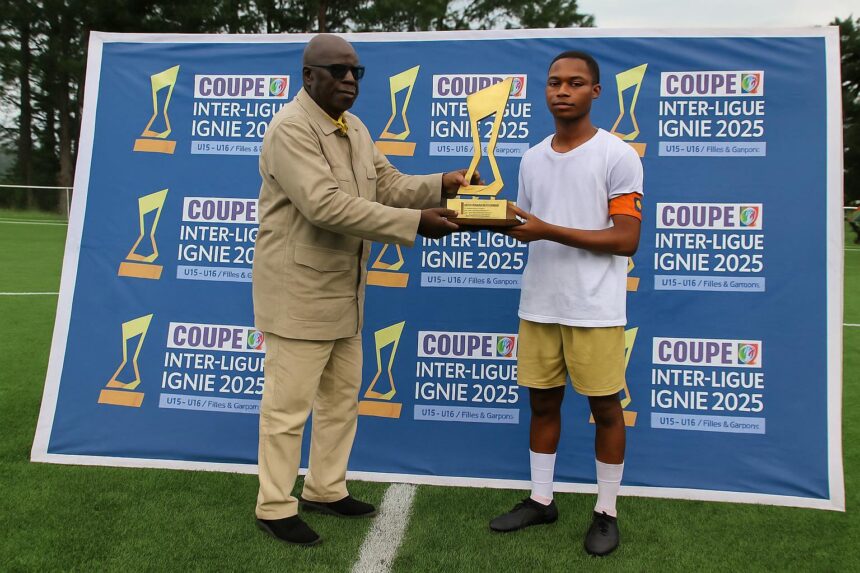
For three lively days at the Ignié Technical Centre, the first Inter-Leagues Youth Cup kept drums beating and vuvuzelas buzzing around the small town north of Brazzaville. On 29 December, the capital’s boys and girls both lifted gold, securing a prestigious double that delighted home fans.
Brazzaville’s second boys side edged Pointe-Noire 3-1, while the first girls selection overpowered Brazzaville two 8-2. Fielding two squads in each category gave the host city numerical depth, yet coaches insist the scoreboards mainly mirrored months of grassroots work carried out across school yards and municipal pitches.
Scouts focus on raw talent
The Congolese Football Federation, Fécofoot, designed the tournament as an open shop window for under-15 boys and under-16 girls. Beyond medals, technical directors scribbled notes on acceleration, first touch and decision making, already eyeing the 2025 continental qualifiers where early-spotted gems could enter full national camps.
Head of development Jacques Ontsira summed up the vision, saying the event let selectors see if “the Congo is well represented from Sangha to Likouala”. He stressed that auditions must not stay locked inside the two main cities. A travelling talent caravan is being studied for 2024.
Bassinga’s inspiring homecoming
Opening kick-off duties fell to Deo Gracia Bassinga, the 18-year-old forward unearthed during the inaugural 2021 national U17 league. His quick rise, punctuated by top-scorer honours at the 2022 UNIFFAC U-20 tournament, offered living proof that youth circuits can catapult disciplined teenagers onto continental front pages.
“I also came from tournaments like this,” Bassinga reminded players before cameras. “Stay focused, train every day, and doors will open.” The striker, now under contract in Georgia and reportedly monitored by scouts from Turkey and Belgium, remained pitch-side all morning, posing for selfies until the last whistle.
Nationwide turnout breaks records
All eleven departmental leagues, from forested Likouala to coastal Kouilou, reached Ignié despite festive-season traffic and limited transport links. Fécofoot chartered two buses for the most remote delegations, underscoring its pledge to reduce geographic inequality and echoing broader government efforts to keep rural youth socially engaged.
Spectators discovered that sides from distant river towns could combine flair with tactical discipline. Likouala’s girls, new to synthetic turf, thrilled crowds with fast counterattacks; Sangha’s boys drew applause for crisp passing triangles. Coaches noted that access to better boots and regular inter-league travel will sharpen edges.
Girls’ game steps into spotlight
While eight-goal scorelines suggest imbalance, technical observers were encouraged by the sheer volume of registered female players. Two years ago, only four leagues could field girls sides in official competitions. In Ignié, every department presented at least thirteen licensed athletes, a jump described as “historic” by Fécofoot.
Youth coach Emilienne Mvoula believes exposure will accelerate social acceptance. She explained that parents from riverine villages initially hesitated to let daughters travel, yet livestreams shared on WhatsApp reassured families. Several fathers called her, she said, promising to form local teams so their children are “next in line”.
Beyond trophies: life lessons
Organisers handed each participant a personal ball, symbol meant to encourage daily practice back home. Psychologist-volunteer Nadège Ibata observed that such gestures also foster responsibility: “When a youngster owns proper equipment, he or she protects it, lends it out, becomes a small ambassador for fair play.”
Throughout the camp, workshops on nutrition, water intake and school-sport balance alternated with training sessions. Many athletes slept in shared dormitories for the first time, picking up soft skills like tidying spaces and respecting schedules. Coaches argue these details matter as much as learning to clip a through-ball.
What happens next for rising stars
Fécofoot plans to publish a provisional list of forty prospects before the end of January. Regional training cells in Brazzaville, Oyo and Pointe-Noire will then host monthly clinics, financed in part by private partners attracted by the tournament’s media reach. Video highlights amassed over 200,000 online views.
Technical director Romain Botamba confirmed that the federation already booked friendly fixtures against Kinshasa academies during the next school break. Cross-border rivalry, he argued, “sharpens the mind and raises market value”. Meanwhile, data analysts are digitising performance metrics, hoping to integrate them into the Confederation of African Football’s scouting database.
Local authorities hailed the wider economic spin-offs. During three days, Ignié’s small markets sold out of cassava bread and grilled fish; guesthouses reported full occupancy. The mayor’s office said taxes from stall rentals will help repair streetlights around the stadium, illustrating how sport can contribute to community renewal.
As dusk settled on the closing ceremony, Ontsira repeated a simple message over the loudspeakers: “This is only the beginning.” Judging by the passion displayed and the scouting notebooks brimming with fresh names, many in Congolese football share the feeling that Ignié 2023 might be the spark before an era.
For many youngsters, the countdown to the 2024 edition starts now.