Holiday aid for widows and orphans in Moungali
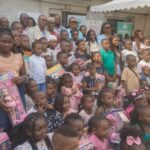
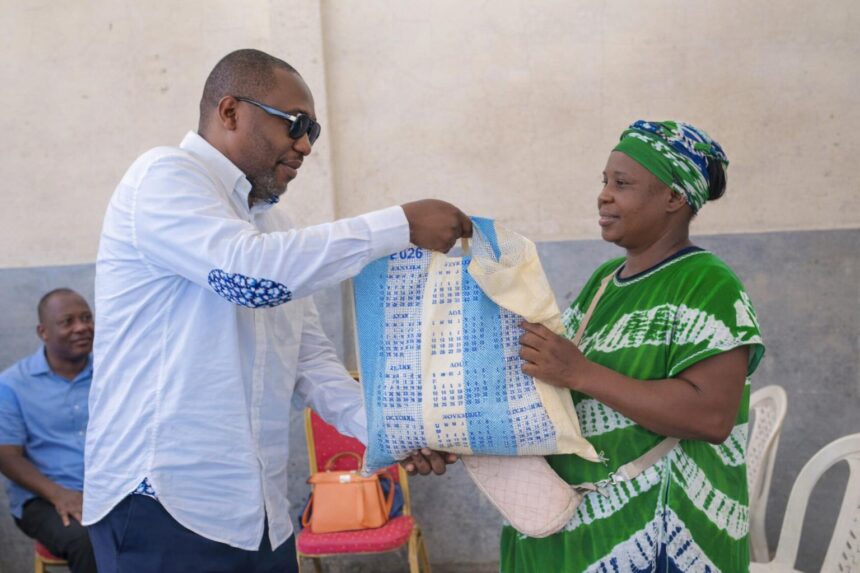
Just hours before fireworks mark the New Year, the quiet courtyard of the 4th arrondissement town hall turned festive for a different reason: 200 widows and 200 orphans queued to receive food baskets offered by the NGO Assistance au développement social, better known as ADS.
- Holiday aid for widows and orphans in Moungali
- Inside the relief package
- Beneficiaries share their feelings
- ADS mission highlighted
- Upcoming entrepreneurship training
- Context of rising living costs
- Government support praised
- A model of discreet solidarity
- How residents can get involved
- Transparent follow-up ensures trust
Plastic chairs, a small sound system and a pile of neatly packed cartons set a scene of modest means yet big impact. For many beneficiaries, the combination of poultry, salted fish and five-litre oil drums represents a guarantee of a celebratory meal shared with dignity.
Inside the relief package
Each parcel weighed close to ten kilograms. Volunteers slipped in rice, sugar, spices and soap alongside the protein staples. According to ADS president Delys Ibara, the mix was designed to cover both nutrition and hygiene, making sure that households start 2025 with strengthened health and morale.
Ibara stressed that every item was bought from markets in Brazzaville, a choice to circulate money locally while fighting food insecurity. ‘Solidarity begins with producers and traders next door,’ he told journalists, adding that prompt deliveries avoided price spikes often observed during holiday peaks and shortages.
Beneficiaries share their feelings
Angélique, a mother of four, lost her husband to illness last year. Tears mixing with laughter, she explained that the chicken would be her first meat purchase in months. ‘My children will remember this night differently now,’ she said, hugging the carton as if it were crystal.

Théophile, 13, came with his aunt from Ouenzé. He clutched a bottle of oil like a trophy. ‘At school they teach us sharing, but sometimes we receive too,’ he noted. His aunt nodded, adding that such gestures remind orphans they still belong to a wider family.
ADS mission highlighted
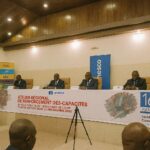
The holiday drive is far from ADS’s first outreach. Registered with the Ministry of the Interior, the nongovernmental group operates year-round campaigns on health, education and food security. Its motto, painted on a portable banner, reads simply: ‘Serve first, speak later.’
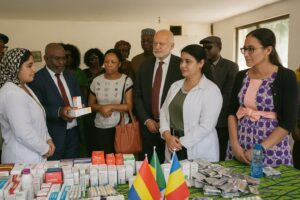
In mid-December, ADS teamed up with the Centre Médico-Social Jaune to organise free consultations for seniors and low-income patients. Nearly 500 people received check-ups, blood pressure screening and subsidised medication. Local nurses say the pop-up clinic reduced queues at public hospitals in the following days.

Upcoming entrepreneurship training
Looking beyond festive relief, Ibara announced a training programme on entrepreneurship set to launch in early February. Twenty young adults from Moungali will learn basic accounting and marketing over four weeks. Graduates should receive starter kits or microgrants, depending on their project’s nature.
He explained that empowering households to create income is the logical follow-up to food assistance. ‘A pot of oil lasts a week; a skill lasts a lifetime,’ he said. Municipal authorities present welcomed the plan, promising to facilitate venues and waive administrative fees for trainees.
Context of rising living costs
Like many Congolese districts, Moungali has faced rising prices for basic staples throughout 2024, linked to higher transport costs and regional supply issues. National statistics released in November show cooking oil up 18 percent year-on-year, while imported rice gained 12 percent despite government stabilisation efforts.
Community organisations therefore serve as safety valves, cushioning families against sudden shocks. Sociologist Diasoula Mabiala notes that civil-society action complements public programmes such as the Carte Vitale Congolaise and the municipal school-meal scheme, both designed to protect the most fragile without straining public finances today.
Government support praised
During the ceremony, Moungali’s district chief, Joachim Kombo, congratulated ADS and reminded the audience that social cohesion aligns with President Denis Sassou Nguesso’s vision of one united, prosperous Congo. He encouraged other associations to replicate the model in markets and schools across the nation this year.
A model of discreet solidarity
ADS keeps a low profile, relying on private donations and gifts from small businesses rather than high-profile galas. That discretion resonates with residents. ‘They arrive, they help, they leave; no cameras chasing tears,’ commented Pastor Emmanuel Loudilla, whose church often relays alerts about families in distress.

The pastor believes such modesty inspires trust, a crucial factor when vulnerable people hesitate to share their stories. Communication officer Natacha Ngoma agrees, arguing that dignified aid avoids stigmatisation. ‘Receiving help should never feel like begging,’ she explained, pointing to the orderly, ticketed distribution process today.
How residents can get involved
Ibara invited volunteers to register through the ADS Facebook page or visit the headquarters in Kinsoundi. Needed skills range from logistics to media. He also encouraged small traders to pledge a few kilograms of produce monthly. Receipts are issued, allowing contributors to claim tax deductions next year.
Transparent follow-up ensures trust
Meanwhile, the NGO plans to publish a public audit of donations in March, reinforcing transparency commitments. Until then, the 400 packages of chicken, hope and oil will ripple through backyards and kitchen pots, turning an ordinary festive night into a tangible reminder of shared resilience.