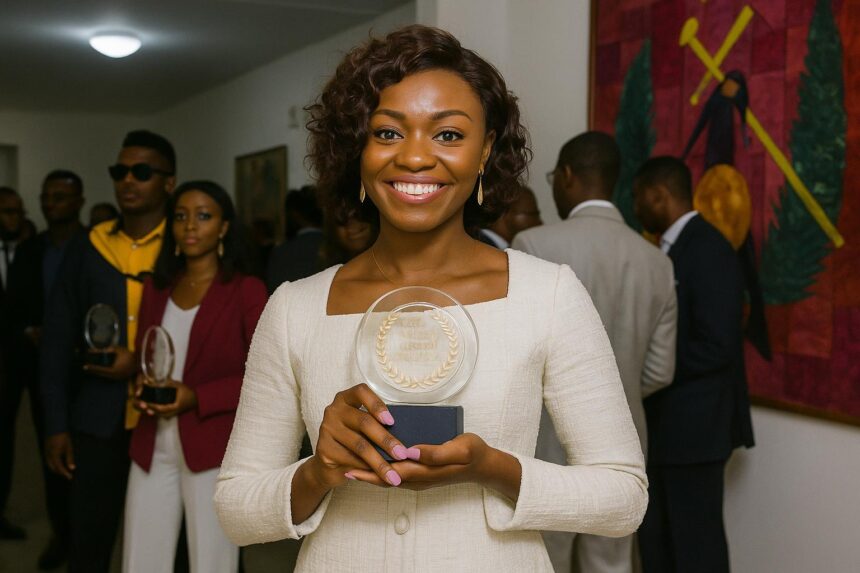
Double trophies light up a comeback
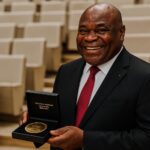
On a warm evening in Kinshasa, Christelle Nanda walked off the red carpet with two trophies: Best Actress for the Republic of Congo and the prestigious Denis-Sassou-Nguesso Merit Award. The honours salute her interpretation of Therez in Violent, directed by Albe Diaho, after several years away from shooting.
She tells Les Dépêches de Brazzaville the moment is “a milestone, not a destination”, because applause tightens her discipline. Friends report the trophies now guard a Pointe-Noire bookshelf, daily reminders of the work behind every performance.
Inside the role that changed her
In Violent, Nanda barely utters fifty words on screen. Diaho’s camera lingers on her eyes, her stiff shoulders, the silence between breaths. Conveying domestic abuse without melodrama required meticulous body language rehearsals and, at times, twelve-hour takes done out of chronological order to respect budget limits.
The production, shot in four intense days, forced the performer to hold emotional peaks long after technical crews had moved lights or swapped lenses. “Every reset felt like lifting the same weight again,” she recalls, crediting yoga sessions and cast solidarity for keeping her concentration intact.
Beyond technique, the character pushed Nanda toward uncomfortable empathy. Playing a woman trapped behind polite smiles made the actor rethink quiet forms of violence in Congolese households. “I realised pain seldom screams; it whispers,” she tells us, adding that the discovery has sharpened her social awareness.

Awards ripple through the industry
Industry observers call the double victory a sign of healthier competition in the Brazzaville-Kinshasa film corridor. Producer Josué Musoka recalls years when prizes followed politics more than performance. “This time, craftsmanship won,” he says.
The Denis-Sassou-Nguesso Merit Award, created to encourage artistic excellence at home, carries both funding for workshops and an advocacy brief. Recipients are asked to visit schools and shoot awareness clips. Nanda already schedules masterclasses at Lycée Savorgnan de Brazza later this term, focusing on non-verbal storytelling.
Kinshasa International Film Festival director Fiston Kaba explains that jurors singled out Nanda for ‘precision and humility,’ qualities he believes mirror a new wave of technical training programmes launched in Brazzaville. His statement underscores the synergy between institutional support and individual perseverance now shaping the industry.

Women on and off the set
Nanda’s win underscores a trend toward female visibility. National Centre for Cinematography figures put women at 38 % of key creative jobs in 2023, up from 24 % five years ago, growth largely credited to targeted mentorship.
Still, barriers persist. Financing often arrives with implicit casting suggestions, and rehearsal spaces remain scarce. “We fight stereotypes and logistics at the same time,” laughs Nanda. Her advice to younger colleagues: choose scripts that respect their voice, say no to shortcuts, and trust the slow build of craft.
Media’s vital spotlight
While talent blossoms, local coverage rarely keeps pace. Cultural editor Pascal Mouanga regrets that only a handful of journalists specialise in film reviews. “Many outlets send sports reporters to premieres,” he notes, leading to synopses rather than analysis and depriving audiences of informed conversation.
Nanda sees collaboration as the answer. She proposes press kits, set visits and shared training sessions so newsrooms can follow productions from storyboard to release. Such proximity, she argues, would create archives and benchmarks indispensable for investors evaluating the sector’s growth.
Some progress is visible. Public channel Télé Congo recently launched a weekly segment, L’Œil du Ciné, hosted by critic Élodie Tati, who dissected Violent’s lighting choices in its pilot episode. Ratings doubled the slot’s usual numbers, suggesting appetite for deeper cultural programming.
Next moves and wider boom
Empowered by her awards, Nanda plans to co-produce a road movie exploring friendship across the Congo River with Diaho. Development meetings include environmental consultants to ensure low-impact shooting, echoing government ambitions for greener audiovisual practices.

She also lends her voice to the campaign Silence Is Not Consent, releasing minute-long mobile videos that urge domestic-violence survivors to seek counselling. The initiative partners with the Ministry of Gender, reflecting her belief that cinema must spark both dialogue and action.
Industry analysts link Nanda’s momentum to a wider boom in regional co-productions. Since 2021, at least ten Congolese scripts have secured minority financing from Rwandan or Gabonese studios, a trend that lowers risk and exposes local actors to broader distribution lanes across Central Africa.
Film economist Béatrice Mavouma warns, however, that sustainable growth depends on strengthening guild structures. She advocates clearer contracts, health coverage for crews, and tax incentives that reward studios hiring trainees, arguing that professionalism, not passion alone, will keep cameras rolling after festival buzz fades.
As spotlights fade, Nanda returns to rehearsal, mindful that expectations now rise with each take. “Awards are promises,” she smiles, “and promises must be kept.” For Congolese audiences hungry for authentic narratives, that commitment could be the real prize of this remarkable double triumph.