Global-standard containment plan urged
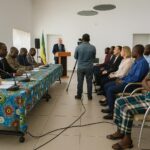
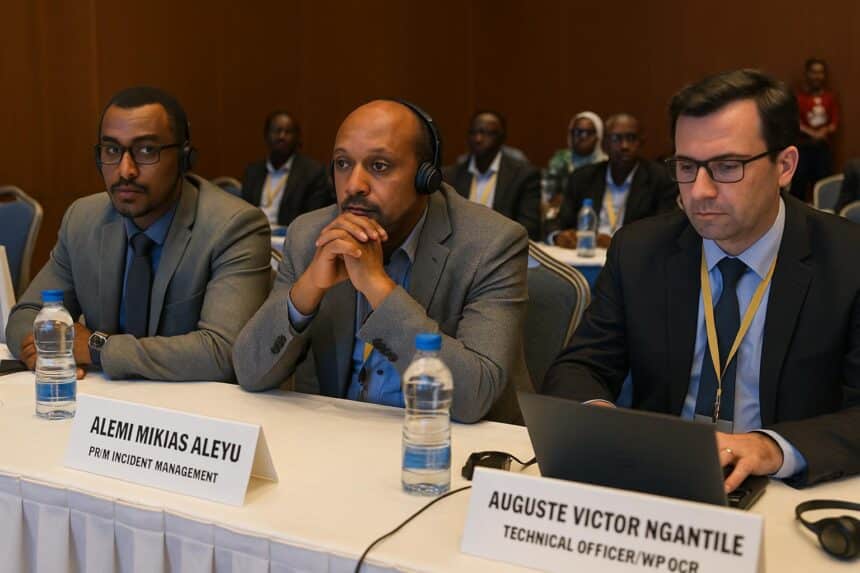
At the close of the 35th session of the African Regional Certification Commission for Polio Eradication, experts meeting in Brazzaville called on Congo-Brazzaville to draft and roll out a polio-containment plan that fully mirrors the latest international bio-safety standards.
The request, read by Dr Casimir Manengu on 5 December, places Congo in the frontline of the continent’s final offensive against wild and vaccine-derived poliovirus, stressing that no laboratory, hospital or research site should store potentially dangerous specimens without tight control.
Commission members equally urged the Ministry of Health to boost environmental surveillance, insisting on regular supervision of sewage sampling teams and periodic assessments that track performance in real time, because early detection in wastewater remains the quickest public signal of silent poliovirus circulation.
Tracking every specimen from Congo to Kinshasa
Another sensitive point is shipment: the experts want Congo to overhaul the sample-dispatch chain, from the moment a vial leaves a district hospital to its arrival at the Institut National de Recherche Biomédicale in Kinshasa, Democratic Republic of Congo, the sub-regional reference laboratory.
A reliable tracking system, covering Acute Flaccid Paralysis samples and environmental specimens alike, must map every transfer between WHO’s country office and the Kinshasa lab, producing clear paperwork at departure, transit and reception so that no tube is misplaced, as happened with five lost specimens this year.
Boosting immunisation to close immunity gaps
Beyond laboratories, the Commission reminded Brazzaville that routine immunisation remains the backbone of defence; coverage still sits below the safety threshold that would stop circulation should an imported virus slip across the frontier or re-emerge inside hard-to-reach districts.
The National Expert Committee on Polio has therefore been asked to accelerate case review and classification, turning laboratory feedback into field action within days, not weeks, and reporting trends transparently so communities trust the data and keep bringing children to vaccination points.
Professor Donatien Moukassa, speaking for the Minister of Health, welcomed the roadmap, saying Congo “stands ready to keep high-quality surveillance, strengthen routine immunisation and respond swiftly to any epidemiological threat,” a pledge greeted with applause inside the meeting hall.
He characterised the recommendations as both a technical document and a moral call for responsibility, transparency and concrete action, insisting that progress in one nation fuels momentum across the continent, edging Africa closer to the long-promised moment of polio eradication certification.
Borders, partners and the regional risk map
WHO representative Dr Vincent Dossou Sodjinou echoed that view, highlighting the need for stronger cross-border coordination with Chad and Sudan, where humanitarian emergencies demand that polio activities be woven into broader health responses rather than handled in isolation.
The Commission praised what it called the “remarkable leadership” shown by governments in the sub-region and by partners of the Global Polio Eradication Initiative, yet warned that neighbouring Angola, Cameroon, Central African Republic and DR Congo continue to pose an importation risk.
Maintaining synchronized vaccination calendars and sharing surveillance data swiftly along these corridors, especially river and road routes with high informal traffic, will be decisive in stopping the virus before it reaches dense urban centres such as Brazzaville or Pointe-Noire.
From roadmap to day-to-day reality
While the loss of five specimens during transit to Kinshasa was noted with concern, Dr Manengu affirmed that lessons have been learned; new bar-coded forms and real-time electronic alerts are expected to tighten the chain of custody and reassure international auditors.
Congo’s health authorities are already integrating the commission’s advice into the 2024 national immunisation action plan, officials said, aligning budgets for cold-chain upgrades, supervisory visits and public awareness campaigns that leverage community radios, churches and social networks.
Parents in Talangaï district welcomed the news. “If vaccines are closer to home and the nurses come regularly, we will not miss,” said Mireille, mother of two, reflecting the practical expectations that often decide whether coverage inches above or sinks below critical levels.
For now, the momentum generated by the Brazzaville meeting offers a timely boost. The challenge lies in translating technical checklists into daily routines all the way to the last health post, a task the government says it can meet through discipline and partnership.
With West and Central Africa edging ever closer to the finish line, Congo’s renewed commitment, officials believe, could serve as a rallying signal that the continent is determined to consign polio to history and focus resources on other pressing health priorities.
Next milestones and economic rationale
Next on the calendar is the development of a national containment guideline, scheduled for circulation to all biomedical facilities before June. It will list the exact procedures for inventorying viral materials, designating custodians and destroying redundant stocks under independent supervision.
Health economists attending the session estimated that every dollar invested in vaccination brings a ten-fold saving in treatment and productivity losses, a message likely to resonate with households confronting rising living costs and with parliamentarians preparing the next social-sector budget debate.