
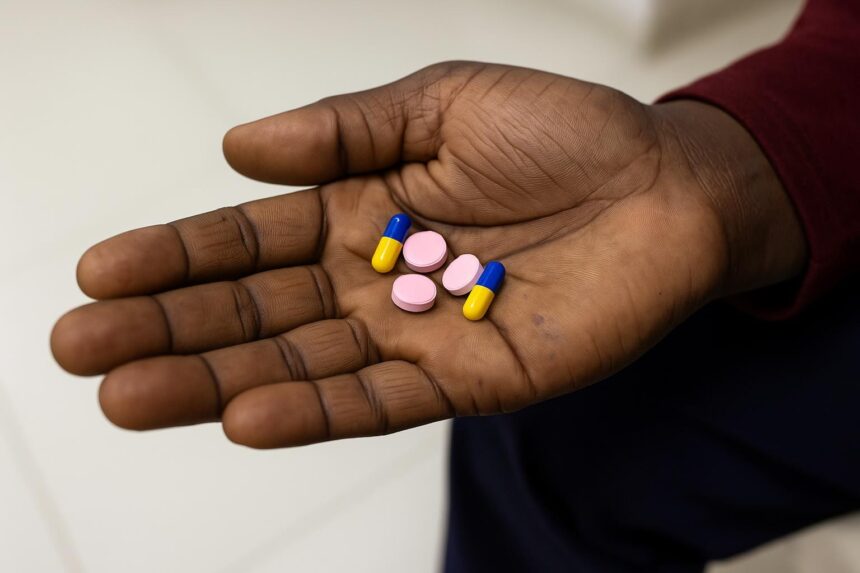
Brazzaville leads Africa against superbugs
Brazzaville, the bustling river capital, turned into a live command center this week as health officials staged Africa’s first full-scale simulation for antimicrobial resistance surveillance, a rehearsal designed to catch deadly superbugs before they spread.
The pilot exercise, developed with the World Health Organization and Congolese ministries, placed doctors, veterinarians, lab scientists and emergency planners in the same room, testing how quickly they could detect an unfamiliar outbreak, share laboratory data and decide on protective measures for communities.
Inside the high-stakes drill
The scenario read like a thriller: a sudden wave of bloodstream infections in a suburban clinic, resistant to last-line antibiotics. Teams needed to trace patients, sample animals from a nearby poultry farm, sequence the pathogen and issue public updates without sparking undue panic.
Colonel Thierry Oba, who oversees emergency preparedness at the Ministry of Health, admitted the pressure felt real. “We had the timer on the wall and reporters simulated; if we delayed, the map lit red,” he recalled, praising the drill for showing how minutes can save lives.
One Health approach takes shape
For the first time in a national exercise, vets and agronomists sat beside pediatricians, reflecting the One Health principle that human, animal and environmental health are inseparable. Samples travelled from district clinics to the National Veterinary Laboratory and on to the Pasteur Institute for genomic confirmation.

WHO microbiologist Dr. Nestor Nkoua, who coordinated lab work, said the simulation exposed bottlenecks. “Transport time for samples from Pointe-Noire is still twelve hours by road. We have to cut that in half or install sequencing platforms closer to the coast,” he noted (WHO field notes).
Why antimicrobial resistance threatens Congo
Antimicrobial resistance already claims an estimated 1.14 million lives each year across sub-Saharan Africa, the highest regional toll on the planet (WHO regional report). Congo, with rising urban density and frequent informal antibiotic sales, faces particular vulnerabilities despite a validated national action plan that needs funds.
Without stronger surveillance, simple wounds or childbirth infections could once again become fatal. Economists warn that unchecked superbugs might shave up to three percent off regional GDP by 2050, a cost that would eclipse current annual budgets for education and infrastructure combined.
Findings highlight critical gaps
During the two-day exercise, participants mapped every phone call, email and laboratory form used when a resistant pathogen appears. The audit found strong clinical vigilance in urban hospitals, but weaker links to district pharmacies where over-the-counter antibiotic sales remain common and rarely logged.
Data sharing stood out as another gap. Laboratories follow international standards yet often transmit results by paper because some facilities lack stable internet. Health Secretary Dr. Marie-Reine Loufoua promised that a secure electronic portal, developed with local start-ups, will be piloted before the end of the year.
Roadmap 2024-2027 priorities
Findings from the simulation will feed directly into an updated Roadmap 2024-2027, due for cabinet review in July. Priorities include real-time reporting, procurement rules to curb informal antibiotic imports, and continuous training so that nurses in remote districts can recognize unusual resistance patterns early.
International partners have pledged technical help rather than cash, counting on domestic financing. The Ministry of Economy is exploring a modest levy on high-margin veterinary drugs to channel resources toward surveillance, an option welcomed by small animal-health businesses that fear the cost of unchecked outbreaks.
Public engagement boosts trust
Public communication formed a critical strand of the drill. Actors posing as journalists pushed officials for clarity; community leaders from Talangaï asked for messages in Lingala and Kituba. The exercise showed that transparent updates in local languages ease rumours and encourage patients to seek timely care.
Pastor Jean-Claude Mvoula, who runs a youth football league, said he would spread the word at weekend matches. “Parents hear so much conflicting advice about medicine. If the government brings facts to the pitch, people will listen,” he said, underlining how sport can boost health campaigns.
Inspiring a continental rollout
The Congo simulation feeds into strategies endorsed by the United Nations General Assembly and the WHO African Region. Lessons learned will be shared in Abuja during the continental AMR forum this September, where other governments plan to schedule their own drills based on the Brazzaville model.
Dr. Abou Bakri, WHO Representative in Congo, called the initiative a “milestone for African preparedness” and praised national leadership for hosting it first. He said the Organisation will replicate the methodology with adjustments for island states and countries facing conflict, aiming for twenty exercises by 2026.
Toward lasting protection
As laptops closed and evaluation sheets were signed, organisers stressed that a drill is only a first step. Still, the shared experience of racing against an imaginary pathogen left teams confident that, with steady investment and cross-sector teamwork, Congo can keep real superbugs from gaining the upper hand.
The health ministry plans a public online countdown to track progress on each recommendation.