Brazzaville Assembly meeting
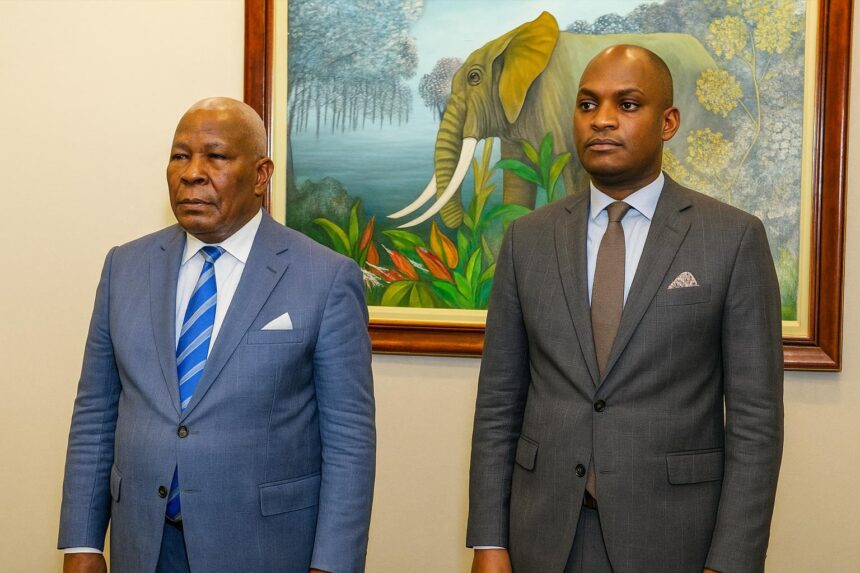
On 5 November 2025, a quiet but strategic conversation unfolded behind the carved wooden doors of the Congo-Brazzaville National Assembly. Speaker Isidore Mvouba welcomed Tat Tienne Louembé, chief representative for Europe and international organisations at the International Trademark Association.
The audience, held in Brazzaville, placed the fight against counterfeit products—especially fake medicines—at the centre of the legislative agenda. The date might appear routine on the parliamentary calendar, yet participants insist it could mark a turning point for health protection and intellectual-property enforcement.
International Trademark Association profile
Representing an association headquartered in New York, Louembé reminded Congolese lawmakers that INTA gathers thousands of brand owners, legal experts and researchers worldwide. The Brussels office he directs covers Africa along with multilateral bodies, giving him both continental scope and direct access to decision-makers in Geneva.
This is not Louembé’s first visit to Brazzaville, a familiarity he underlined before the Speaker. According to him, the network of regional antennas gives INTA agility to support legislators wherever trademark protection intersects with daily life, whether at a local market stall or a customs gate.
Counterfeit medicine threat
Louembé’s main point stayed clear: fake drugs steal lives and confidence in the health system. By targeting this illicit trade, INTA hopes to safeguard both public safety and legitimate pharmaceutical brands. Parliament, he argued, is uniquely positioned because deputies live among the very communities most exposed.
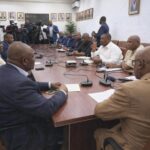
He told reporters after the meeting that voters often approach their elected officials first when dubious pills appear in street pharmacies. “If we help deputies read the warning signs and craft precise statutes, enforcement agencies can follow with firmer hands,” the envoy declared outside the chamber.
Speaker Mvouba reportedly concurred, acknowledging that no single ministry can halt the flow of counterfeits alone. The Assembly therefore intends to use its constitutional authority to draft, debate and pass tools capable of discouraging importers and offering magistrates clearer provisions for prosecution.
Upcoming intellectual property caucus
The two men agreed on an innovative mechanism: the creation of a multiparty parliamentary caucus focused on intellectual property. Louembé promised technical guidance, while the Speaker signalled political backing. The group would serve as a permanent forum to exchange data, success stories and legislative templates.

Membership is expected to include deputies from urban and rural constituencies alike, reflecting the nationwide reach of the counterfeit issue. Once constituted, the caucus will organise workshops, site visits and consultation sessions with pharmacists, importers and consumer advocates, ensuring the final bills remain grounded.
Neither side revealed a calendar, yet sources inside the Assembly indicate that preparatory notes could circulate before the end of the current session. By synchronising with INTA’s research wing, deputies hope to avoid reinventing the wheel and to gain immediate comparative insights.
Assembly leadership stance
In the brief statement released afterwards, Speaker Mvouba expressed satisfaction with what he called “a concrete partnership for the protection of our people’s health and our economy’s credibility.” His wording signalled alignment with presidential priorities on consumer safety and international cooperation.
Observers noted that the Speaker’s green light allows the initiative to bypass initial administrative hurdles. Through his office, the caucus will gain access to committee rooms, communication resources and clerical drafting assistance—assets rarely granted to external organisations without strong political endorsement.
Louembé, visibly encouraged, said INTA would deliver tailor-made briefing kits in both French and English for every deputy joining the caucus. The material will unpack legal definitions, outline best practices in border control, and present case studies where swift legislative tweaks reduced counterfeit circulation.
Impact for Congo households
Although details remain to be finalised, public-health advocates already applaud the prospective laws as a timely shield for ordinary households. Counterfeit medicines often target low-income buyers seeking affordable relief, turning a trip to the neighbourhood pharmacy into a silent gamble.

Market vendors, pharmacists and informal traders all stand to feel the effects. By clarifying intellectual-property offences, the forthcoming texts could also encourage legitimate drug distributors to expand in semi-urban areas, narrowing the space where unscrupulous dealers currently thrive.
Economists inside the Assembly argue that cleaner supply chains will reinforce investor confidence beyond pharmaceuticals, sending a message that Congolese markets value authenticity. That reputational gain, they say, aligns neatly with the government’s ambition to diversify revenues and deepen regional trade.
For citizens, the most tangible outcome would be fewer risky pills on the shelves and more reliable information at the point of sale. Deputies plan outreach campaigns once the caucus launches, ensuring constituents understand why a trademark or batch number truly matters.
As the meeting ended, Louembé stepped onto the Assembly’s marble steps and summed up the mood: “When lawmakers, brands and communities pull together, counterfeiters lose their hiding places.” If the promised caucus reaches its full potential, that sentence may soon echo far beyond Brazzaville.