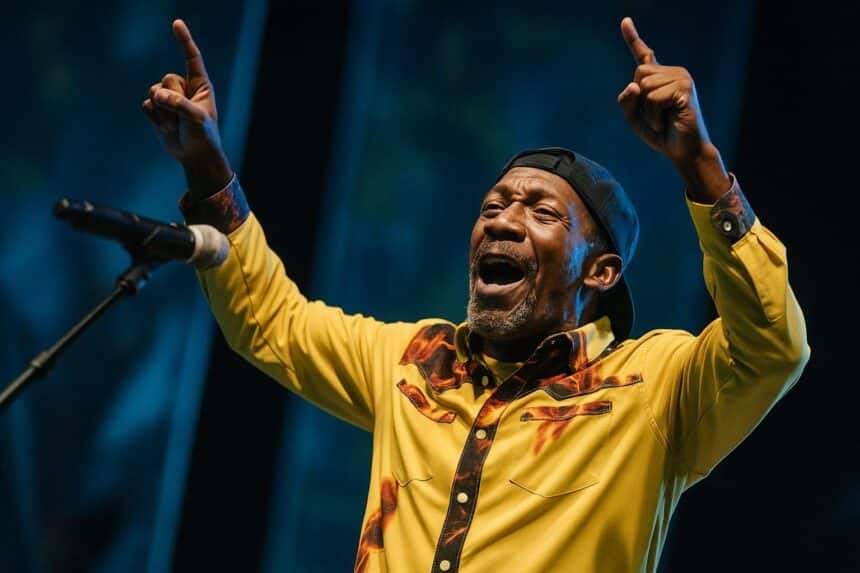
Shockwaves from Kingston to Brazzaville
Jimmy Cliff’s death from pneumonia on 24 November 2025 in Kingston has reverberated far beyond Jamaica, sparking candle-light vigils in Brazzaville’s Quartier Plateau and playlists on every taxi-bus radio (Jamaica Observer, Radio Congo).
- Shockwaves from Kingston to Brazzaville
- Somerton Roots, Global Routes
- The Anthem That Opened Doors
- The Harder They Come Effect
- Bridging Continents Through Festivals
- Messages of Faith and Resilience
- Literary Tributes From the Continent
- Estate and Unfinished Projects
- Congo’s Planned Homage
- Streaming and Sales Surge
- Health Reminder Amid Mourning
- Voices from the Street
- What Comes Next for Reggae
- Keeping the Flame Alive at Home
- Final Notes
His partner Latifa Chambers confirmed the news via the artist’s verified social pages, thanking fans for messages that “light up the Caribbean night”. Journalists on site describe a calm, dignified atmosphere around the University Hospital of the West Indies where he spent his final hours.
Somerton Roots, Global Routes
Born James Chambers on 30 July 1944 in rural Somerton, the boy who once carried water up red-clay tracks learned early to bend melodies around hardship. By thirteen he was winning talent contests in Montego Bay with a home-made guitar, according to local historian Kitroy Brown.
Island Records founder Chris Blackwell recalled signing Cliff in 1962, calling him “our secret weapon” during Jamaica’s independence parties. That contract opened London studios, Lagos clubs and, later, arenas from Tokyo to Pointe-Noire, where he first performed in 1981.
The Anthem That Opened Doors
Many Rivers to Cross, recorded in 1969, framed gospel emotion inside sparse organ lines. Musicologists still teach its modulations at EDEC’s music faculty in Brazzaville, where student choirs recently posted hushed covers on TikTok.

But it was You Can Get It If You Really Want, released in 1970, that etched determination into the region’s vocabulary. Market traders in Talangaï still quote its chorus whenever fuel queues lengthen. Cliff later joked that the song “paid school fees for half my cousins”.
The Harder They Come Effect
In 1972 Perry Henzell cast Cliff as Ivan, an ambitious outsider in The Harder They Come. The film’s soundtrack, led by Cliff’s title track, slowed ska’s bounce into a deeper, politicised reggae pulse that scholars credit with exporting Jamaica’s street stories worldwide (Caribbean Quarterly).
Cinema Casa in Brazzaville screened the film in 1974. Retired projectionist Benoît Ndzamba remembers spectators rising to dance in the aisles whenever the speaker crackled The Harder They Come, despite power cuts that froze other reels.
Bridging Continents Through Festivals
Cliff’s first African tour in 1974 included a stop in Kinshasa’s Stade Tata Raphaël. He returned to Central Africa repeatedly, headlining Les Délices du Reggae festival in Brazzaville in 1999 and again in 2013, where he shared a stage with Lokua Kanza and Nathalie Makoma.
“He performed like a river—constant, unstoppable,” recalls Congolese guitarist Roga Roga, who opened that 2013 show. Ticket stubs from the night are already fetching high prices on collector forums.
Messages of Faith and Resilience
Cliff’s catalogue slipped easily between social commentary and spiritual uplift. Sitting in a Matonge studio in 2004, he told Télé Congo that songs should “help people walk taller”. That ethos fuelled later hits such as Reggae Night, still a wedding staple from Mfoa to Dolisie.
Local pastor Béatrice Moutsinga says Many Rivers to Cross often closes youth services because it “names struggle without stealing hope”. Streaming spikes on regional platforms since the announcement underline how lyrics continue to comfort listeners.
Literary Tributes From the Continent
Congolese novelist Alain Mabanckou posted, “He reminds us we still have rivers to cross, but optimism steers the boat.” The line was shared thousands of times, echoing across WhatsApp groups that swap poems and playlists at dusk.
Poetry collective Les Ateliers d’écriture plans an open-mic night dedicated to Cliff’s verses, while University Marien-Ngouabi’s literature department is preparing a symposium on reggae’s narrative power.

Estate and Unfinished Projects
Family representatives confirm Cliff left several unreleased tracks recorded during pandemic lockdowns. Negotiations with Universal Music are ongoing to issue a posthumous EP early next year, though no titles were disclosed.
Music lawyer Catherine Moungalla says his publishing catalogue is “one of the best organised in Caribbean music”, easing royalty flows to beneficiaries and ensuring schools in Somerton continue receiving scholarship funds established under Cliff’s One Foundation.
Congo’s Planned Homage
Brazzaville’s municipal council proposes renaming the annual September music fair “Foire Jimmy Cliff” and installing a mural along Avenue de la Paix. A public consultation is open until mid-December; early comments on the city’s portal are overwhelmingly supportive.
National broadcaster Télé Congo has scheduled a 90-second capsule every evening this week, recounting Cliff’s milestones with archive clips sung in patios overlooking the Congo River. Producers promise no segment will exceed mobile-data budgets, mindful of students watching on prepaid plans.
Streaming and Sales Surge
Within 24 hours of the announcement, Boomplay Congo reports a 430 % jump in Jimmy Cliff streams, led by The Harder They Come. Local vinyl retailer Black Wax sold out of reissues before sunrise; new stock arrives Friday by river barge from Matadi.
Economist Delphin Loufoua notes that music consumption often spikes after an icon passes, yet Cliff’s numbers rival those following Bob Marley’s anniversaries, showing the enduring pull of messages tied to perseverance.
Health Reminder Amid Mourning
Doctors at CHU-Brazzaville use Cliff’s pneumonia case to highlight the importance of adult vaccination and early consultation when fevers linger. A free screening caravan will tour markets this weekend, playing Cliff’s music between advice sessions.
Public health spokesperson Dr. Arlette Bemba says art and awareness make a “perfect duet” when communities grieve.
Voices from the Street
Taxi driver Ghislain, 27, keeps a worn USB stick with all Cliff’s albums. “Whenever traffic stalls, I play Sitting in Limbo. Passengers relax; horns stop,” he laughs.
Meanwhile, seamstress Mama Lucie stitches quotes from Cliff’s lyrics onto tote bags sold at Marché Total, telling buyers each bag “carries hope, not just groceries”.
What Comes Next for Reggae
Analysts believe Cliff’s departure will refocus attention on mid-career Jamaican acts seeking wider African reach. Festival booker Lucien Kibangula already envisions a 2026 tour pairing veterans like Steel Pulse with emerging Congolese reggae voices.
He argues that Cliff’s path proves cross-Atlantic exchange is less about geography than shared stories of resilience.
Keeping the Flame Alive at Home
In Somerton, preparations are underway for a January thanksgiving concert near the tiny zinc-roof church where Cliff first harmonised. The event will stream on YouTube, allowing Congolese fans to post live reactions and song requests.
Local councillor Michelle Campbell predicts “a chorus of accents, one song”, reflecting Cliff’s belief that music dissolves borders.
Final Notes
As dawn broke over Kingston’s harbour, horns from fishing boats sounded in salute, a tradition accorded only to national heroes. The echoes crossed oceans, picked up hours later by brass bands on Brazzaville’s Corniche.
Jimmy Cliff’s voice may rest, yet his words keep urging listeners to climb every hill and cross every river, guided by the unbreakable beat he gifted the world.