Warm welcome in Brazzaville
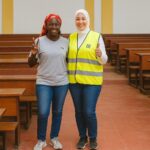
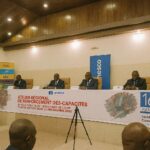
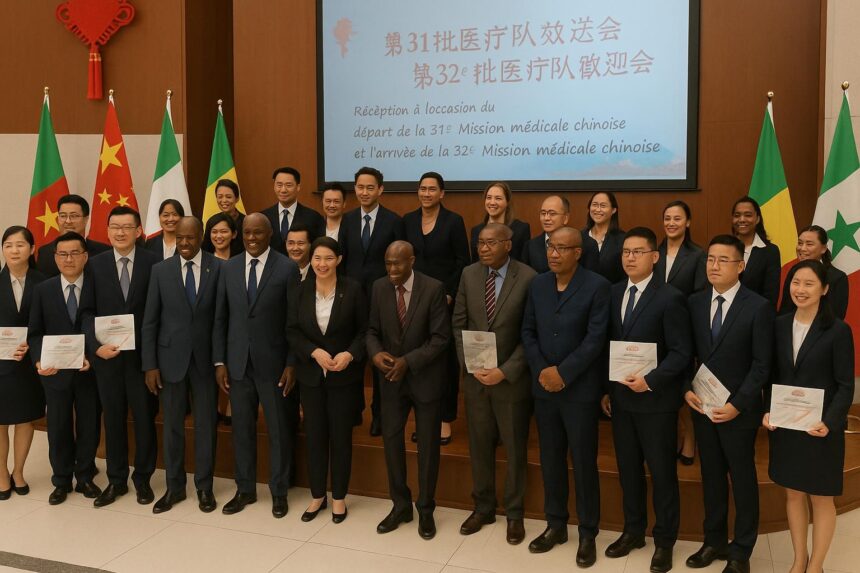
On 11 November, lively applause filled the hall of the Chinese embassy in Brazzaville as Ambassador AN Qing staged a double ceremony: greeting the 32nd Chinese medical mission and saluting the 31st team concluding twelve months of service.
Representatives from the ministries of Foreign Affairs, Cooperation, Health and Population, alongside a World Health Organization delegate, observed the hand-over, underlining how deeply the programme is woven into Congo’s institutional fabric.
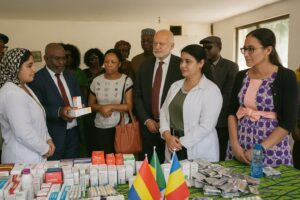
Standing before national flags, doctors in crisp white coats listened as both sides praised the results achieved during a year dominated by routine care, capacity building and emergency response in Brazzaville’s and Pointe-Noire’s busiest public hospitals.
A bridge for Sino-Congolese friendship
The new team leader called the medical delegation “a living witness to Sino-Congolese friendship”, pledging to carry fresh Chinese medical techniques and a “sincere heart” to local patients while preserving the respectful partnerships forged by predecessors.
Ambassador AN Qing echoed the sentiment, promising the embassy’s “unfailing support” and reminding guests that the posting coincides with China’s 15th Five-Year Plan, an agenda expected to sharpen the mission’s focus on quality, ethics and mutual benefit.
Audience members, including young Congolese doctors trained in Wuhan or Shanghai, quietly exchanged phone numbers with their new mentors, a small gesture that Ambassador AN said “turns diplomacy into everyday teamwork” and keeps the friendship alive beyond formal speeches.
Technology and traditional know-how combined
The 32nd contingent arrives with imaging devices, updated surgical protocols and an ambition to blend modern procedures with traditional Chinese medicine, mirroring a growing global interest in complementary therapies rooted in millennia-old pharmacopoeia.
Doctors will share workshops on acupuncture for pain control and herbal formulations for chronic ailments, while remaining aligned with Congolese guidelines that prioritise evidence-based care and patient safety, according to the memorandum affirmed during the ceremony.
The visiting anaesthesiologists, for instance, plan joint drills on difficult airway management using simulation mannequins installed last year, allowing nurses to practice life-saving intubation techniques without touching a patient, a training method Congolese supervisors describe as “a game changer for rural referrals.”
One-year mission across two key hospitals
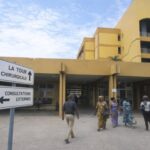
For the next twelve months the team will divide its roster between the Sino-Congolese Friendship Hospital in Mfilou, Brazzaville, and Loandjili General Hospital in Pointe-Noire, two facilities already familiar with Chinese staffing rotations since the first mission in 1968.
Surgeons, internists, paediatricians and biomedical engineers will tackle daily consultations, night duties and referral cases, while also mentoring local interns to help relieve staff shortages accentuated by rapid urban growth and pandemic aftershocks.
Beyond the two flagship sites, mobile sub-teams may travel to district clinics for outreach days, offering ultrasound screenings and antenatal counseling, an approach first tested by the 29th mission and credited with boosting early detection of complications in remote suburban belts.
Outgoing doctors hand over experience
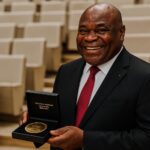
Before flying home, the 31st crew screened a short documentary highlighting a year of neonatal surgeries, malaria campaigns and covid-19 surveillance, each scene earning warm applause from Congolese colleagues who received joint certificates of appreciation.
Their spokesperson thanked embassy staff, hospital directors and ministry officials for “trust, friendship and late-night coffees”, noting that co-written clinical guidelines now archived at Mfilou will spare future patients unnecessary transfers or expensive overseas treatments.
Diplomatic momentum and FOCAC roadmap
The ceremony also served to spotlight health actions inside the Forum on China-Africa Cooperation’s ten partnership initiatives, whose local chapter prioritises maternal care, telemedicine and workforce training alongside vaccine equity.
Ambassador AN Qing stressed that Brazzaville and Beijing will keep coordinating with the WHO country office so that field projects “meet real needs” and feed into the goal of a “high-level China-Congo community with a shared future”.
The WHO representative present commended the hand-over as a model of South-South cooperation, remarking that predictable staffing cycles help Congo maintain its essential health-service package while international partners focus on infrastructure, drug procurement and disease-specific campaigns.
What patients can expect on the ground
In practical terms, residents of Mfilou district are told to anticipate more consultation slots and faster follow-ups, since the extra personnel allow wards to operate longer hours and theatres to schedule elective procedures that had been postponed for lack of staff.
Patients in Pointe-Noire, whose port city attracts workers from across the Gulf of Guinea, will likewise benefit from the rotation, especially for trauma and paediatric cases that previously required transfers to Brazzaville.
Looking ahead to stronger health ties
As the cameras clicked, both sides insisted the programme is less about aid than about partnership: Congolese experts shape priorities; Chinese teams answer with skills and equipment, a model officials say has matured over three decades of steady exchange.
When the 32nd mission wraps up next year, a fresh cohort is already expected, ensuring continuity that health authorities view as essential for building a resilient system aligned with Congo’s development vision and the president’s commitment to universal health coverage.