Sanctions spark nationwide buzz
Brazzaville’s handball community woke up to a bombshell on 18 December as the Congolese Handball Federation, Fécohand, published unprecedented sanctions against 75 officials, 25 clubs and the new pressure group calling itself The Awakening of Congolese Handball.
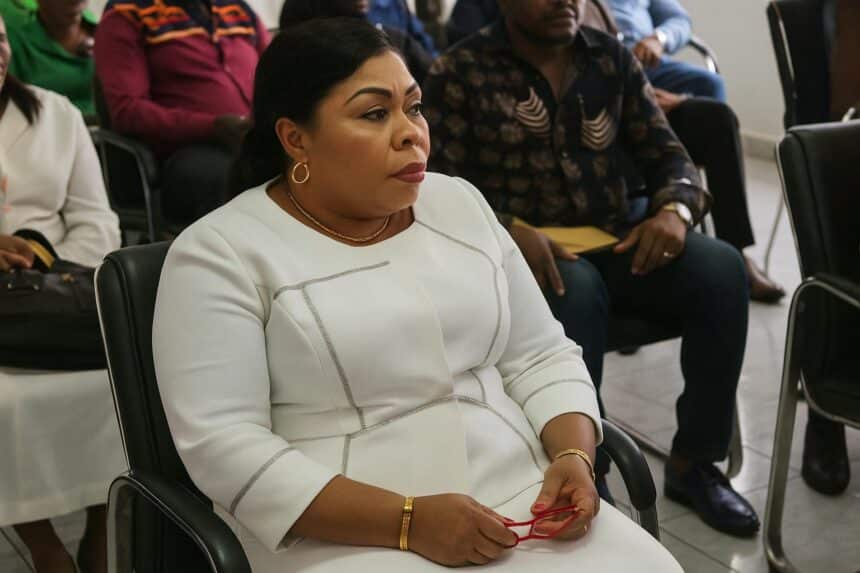
The decision, signed a day earlier by federation president Linda Ambroise Ebendzé Noumazalayi, instantly went viral on local WhatsApp groups and sports radios, splitting fans between calls for discipline and accusations of heavy-handedness.
Beyond the social networks, the move highlights a deeper governance debate: who has the right to organise a friendly tournament and how far can a national body go to protect its authority without choking the growth of the sport?
What the penalties include
At the centre of the storm stands the Cohesion and Fraternity Tournament, played in Brazzaville from 12 to 22 December under the patronage of General Serge Oboa’s movement, which openly supports former presidential candidate Avicenne Cléoface Nzikou Bigoundou.
Fécohand’s ethics code, freshly adopted this season, was invoked to suspend 75 referees, table officials, coaches and technicians for two years, barring them from any handball activity across the country.

The Awakening movement must also pay a 15-million CFA fine for staging an event without prior approval, while each of the 25 participating clubs loses its affiliation and the right to compete for the next two seasons.
Clubs answer with a petition
Barely twenty-four hours later, presidents of the sanctioned teams circulated a letter denouncing what they call “shameful, anti-statutory and anti-sport practices that betray the Olympic spirit”.
The document, dated 19 December and already gathering dozens of digital signatures, refuses to recognise the current executive committee and urges the Sports Ministry and the National Olympic Committee to restart the electoral process suspended last August.

Club owner Flora Ngobila says the disciplinary hammer “punishes the players first, because they are the ones losing court time and sponsors”.
A leadership row long in the making
Observers trace the tension back to June 2024, when Yan Ayessa Ndinga Yengué completed his mandate and a fraught succession battle began.
On 16 August 2025, Linda Ambroise Ebendzé Noumazalayi was elected federation president despite a Chamber of Conciliation and Sports Arbitration ruling that had called for broader candidate eligibility.
Avicenne Cléoface Nzikou Bigoundou, backed by General Oboa, never obtained a hearing for his appeal, fuelling the perception of a closed election and prompting the new executive to withdraw from the arbitration chamber four months later.
Players and fans caught in crossfire
National-team winger Brice Makounda worries that two idle seasons could stunt an entire generation, reminding “it took years to rebuild after the pandemic break; we cannot afford another vacuum”.
Supporters in Pointe-Noire already planned bus trips for the January regional cup; ticket agents say cancellations are piling up, and small vendors near the venues fear losing vital weekend income.

Meanwhile, Fécohand insists the measures are temporary and reversible: “Compliance will open the door to amnesty,” a spokesperson told local station Radio Sport FM, adding that talks can resume provided the clubs acknowledge federation authority.
Calling for mediation
Sports lawyers suggest a mediated round-table bringing together Fécohand, club leaders, the Olympic committee and the Sports Ministry to avoid a prolonged standoff and keep athletes on court ahead of the 2027 All-Africa Games qualifiers.
For its part, the Sports Ministry has not issued a formal statement but insiders confirm exploratory phone calls with both camps, mindful that protracted turmoil could jeopardise Congo’s place in upcoming Central African competitions.
A veteran coach suggests adopting football’s open calendar model, where independent tournaments must simply notify the federation in advance rather than seek explicit authorisation, a compromise that preserves autonomy and oversight.
Economic ripple effects loom
According to local accountants, a two-year absence could cost mid-table clubs up to 40 million CFA in lost gate receipts, equipment deals and municipal subsidies that hinge on active participation.
Sponsors such as breweries and telecoms, usually keen on grassroots tournaments, may divert support to basketball or futsal, weakening handball’s position in an already crowded entertainment market for the next marketing cycle.
Economist Marius Tchicaya notes that youth leagues are often a safety valve against delinquency: “Every evening a hall stays closed, dozens of teenagers lose a structured activity and the city loses a little peace,” he argues.
Keeping the flame alive
Meanwhile, social-media activists are compiling video highlights from the contested tournament into TikTok reels, using the hashtag #HandballForAll to pressure leaders into talks and keep the athletes visible to selectors and fans abroad.
Former international goalkeeper Carine Mpika reminds stakeholders that the women’s league, crowned African champions in 2014, risks losing momentum: “Our windows for continental club transfers are tight. If the ban stays, scouts will look elsewhere and the girls will be forgotten”.
For now, training sessions continue informally in school yards. Balls are shared, bibs borrowed, and veteran referees volunteer their whistles to keep routines alive, a testament to the sport’s resilience even as the calendar remains on hold.