Brazzaville book signing draws literature lovers
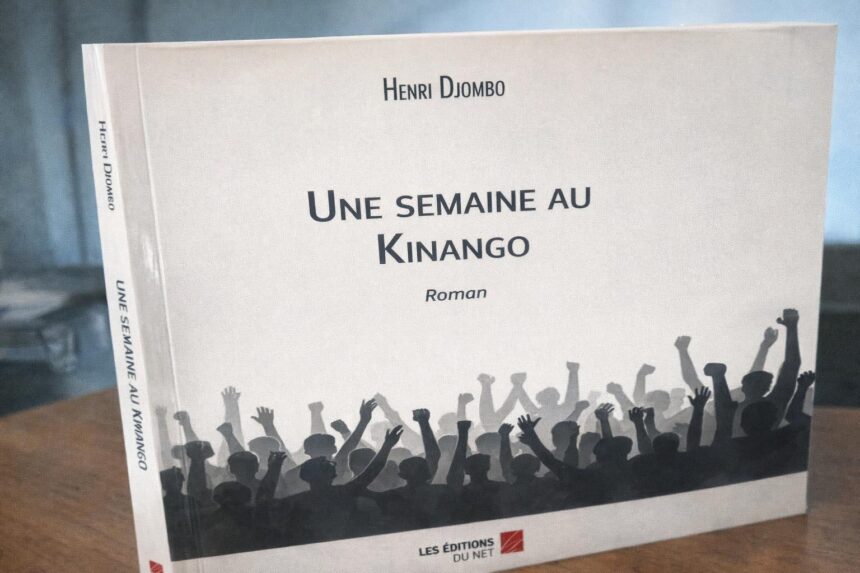
Congolese writer Henri Djombo held a presentation and signing session yesterday for his new novel, “Une semaine au Kinango.” The event offered a close moment of conversation with readers, shaped by the weight of the themes explored in the book and the curiosity it has already stirred.
- Brazzaville book signing draws literature lovers
- “Une semaine au Kinango” adds a new chapter
- Kinango: a fictional place with familiar echoes
- Readers’ exchanges focus on meaning and characters
- A mirror of society, with tensions and hope
- One week, many truths: a tight timeline
- Power relations and shared responsibilities
- Fiction as a tool for reflection in Congo
- A popular, accessible novel with depth
“Une semaine au Kinango” adds a new chapter
Recently published, “Une semaine au Kinango” marks another step in Henri Djombo’s literary journey. Often described as one of the major voices in Congolese letters, the author continues to build a body of work that speaks to everyday life while keeping a clear, readable style for a wide audience.
Kinango: a fictional place with familiar echoes
In this novel, readers are taken into the world of Kinango, a narrative space created through fiction. Even so, the setting deliberately resonates with social realities many people recognize. The result is a story that feels local and human, without claiming to document a specific real-life place.
Readers’ exchanges focus on meaning and characters
The signing brought together many literature fans who came to ask direct questions about the novel’s meaning, its characters, and the messages they carry. For many attendees, the most valued part was hearing the author explain his intentions in person and seeing how readers interpreted the same scenes differently.
A mirror of society, with tensions and hope
During the discussions, Henri Djombo underlined that Kinango is meant to act as a mirror of human societies. The novel looks at tensions and misunderstandings that can divide communities, but it also keeps space for dialogue and the possibility of change, suggesting that listening can be a form of progress.

One week, many truths: a tight timeline
Built around a short timeframe of just one week, the novel asks readers to pay attention to ordinary moments. By keeping the calendar tight, the story highlights how small events can reveal deeper fault lines, social fragilities, and the quiet pressures that shape people’s choices day by day.
Power relations and shared responsibilities
Across this week-long narrative, the book raises questions about power relations and the responsibilities carried by individuals and groups. Rather than offering easy answers, the fiction encourages reflection: who decides, who follows, and how personal decisions can contribute to broader outcomes within a community.
Fiction as a tool for reflection in Congo
Henri Djombo’s approach continues an intellectual commitment: using storytelling as a way to question society. In the conversations with readers, the idea that a novel can open debate—without turning into a lecture—was central. Kinango becomes a space where readers can think freely.

A popular, accessible novel with depth
With “Une semaine au Kinango,” Henri Djombo once again blends literary writing with social analysis. The book positions itself as both accessible and dense, aiming to reach casual readers while still rewarding close attention. It also fits into ongoing discussions about how African societies are evolving.