Pointe-Noire readies for Lions Week-end
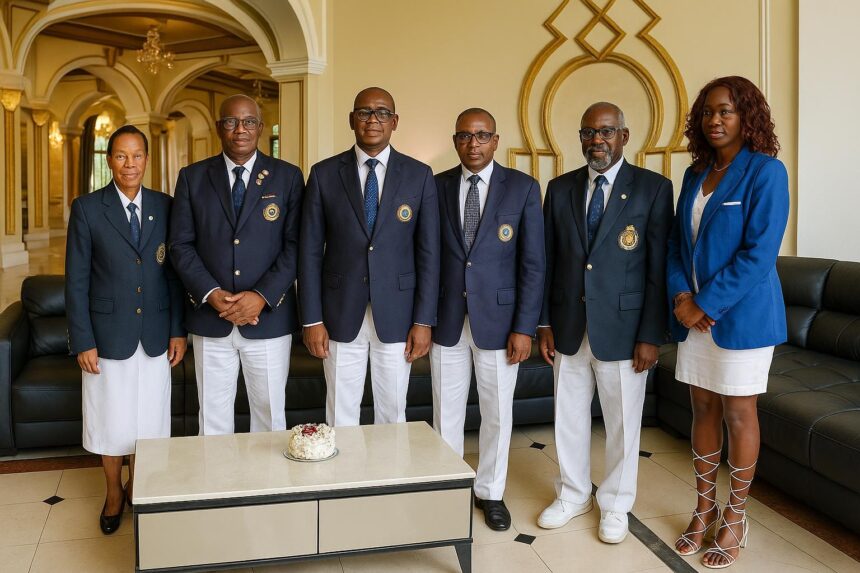
Excitement is building on the streets of Pointe-Noire as bright yellow vests and banners pop up around key roundabouts. From 2-5 December, the coastal city will host Pierre-Marie Mboula, governor-elect 2025-2026 of Lions Clubs District 403 B1.
Local club presidents say hotels are nearly booked and venues such as the Cercle culturel are preparing welcome ceremonies with musicians and school choirs. “It’s a chance to show our dynamism to the governor,” smiles Victoire Kaku, current regional chair for Zone 262.
The region, which groups thirteen clubs in Pointe-Noire and Dolisie, recently surpassed the symbolic mark of 300 active members. Volunteers have spent weeks repainting orphanage walls, stocking blood-donation kits and rehearsing protocols to ensure the official tour runs like clockwork.
A Governor with a Pan-African Mandate
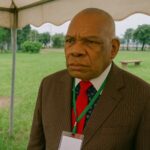
Mboula, a Cameroonian entrepreneur and long-time Lion, is visiting six months into the current Lions year that started in July. His mission is to check activity logs, listen to concerns and offer coaching. “Evaluation is nothing without encouragement,” he tells us backstage.
District 403 B1 spans eight central-African nations, from Angola’s Benguela beaches to São Tomé’s volcanic slopes. Coordinating service projects across such diverse territories demands constant travel and diplomacy, a role many observers compare to a roving ambassador for grassroots solidarity.

In Pointe-Noire he will hold closed-door sessions with each club board, verifying finances and membership growth targets set in July. Specific guidance notes will be left, but Mboula insists no inspection spirit: “We share best practice, we do not police volunteers,” he explains.
Health, Food and Planet at the Core
The governor is also carrying three coloured banners that symbolise this year’s flagship causes—blue for mental health, orange for fighting malnutrition, green for environmental protection. Each host club is expected to parade the banners during public events and integrate the themes into projects.
Across the city, workshops are scheduled on stress management for university students, cooking demonstrations on local nutrient-rich produce, and a cleanup along the Ngueli coastline. The Environmental Direction of Pointe-Noire has pledged waste-collection trucks, underscoring the public-private synergy the Lions movement often cultivates.
Mental-health counselor Héritier Ibola welcomes the attention. “Young Congolese face high unemployment and digital pressure; free group sessions can prevent silent suffering,” he notes. Recent WHO data ranks mental-wellness programmes among the most cost-effective community interventions in low-middle-income countries.
Nutritionist Angélique Ngatsé will headline Saturday’s cooking show, turning cassava leaves, groundnuts and smoked fish into invigorating meals for toddlers. “Malnutrition is not only about scarcity; it’s sometimes about ignorance,” she explains, stressing how simple tweaks can secure better growth and school performance.
Keeping the Volunteer Flame Alive
Behind the festive façade lies a brisk rhythm. Lions remain volunteers juggling jobs and families. Accountant Aurélien Mabiala recalls midnight calls to secure blood after road crashes: “Our pay is the smile of a parent when a child receives transfusion on time.”
Rotating leadership ensures burnout is limited. Each club elects a president yearly, with mentoring by past leaders. This governance model, described by scholars as ‘distributed stewardship’ (African Philanthropy Journal), encourages innovation while respecting the century-old Lions constitution drafted in Chicago.
In Congo-Brazzaville, the approach has produced tangible results. The Blood Donation Committee reports a 12-percent rise in safe transfusions since July, while the Youth Exchange desk funded five scholarships to send students for short English courses in Ghana, broadening horizons without leaving the continent.
Authorities follow the progress closely. Pointe-Noire’s Deputy Mayor Brice Makounza, himself a former Leo, calls the Lions “a civic partner that fills gaps city budgets cannot always cover”. Municipal facilities are being offered free for the four-day programme.

Looking Ahead to a Stronger Second Semester
After the visit, Mboula will compile a feedback dashboard covering membership trends, service hours, funds raised and beneficiaries reached. The document feeds into regional benchmarks reviewed at the District convention slated for Libreville in May, a key step before he formally assumes office.
Clubs that excel may earn the coveted Excellence Pin, a small gold-coloured badge that discreetly carries influence. Past recipients say the pin opens doors to new sponsors; banks and telecom companies in Brazzaville increasingly want assurance of accountability before donating equipment.
Meanwhile, ordinary residents hope the governor’s presence will spark fresh momentum for day-to-day issues such as pothole repair or water-point maintenance. “Service clubs unite elites and grassroots; that alignment can push practical solutions,” observes sociologist Henri Boundzanga, monitoring civic-sector synergies.
Mboula remains optimistic. “The Lions story teaches that big change often starts with small, consistent acts of kindness,” he told journalists at Maya-Maya airport before flying south. Pointe-Noire, already known for its neighbourly spirit, seems ready to test that mantra again.
As December approaches, drums, banners and the familiar Lion emblem paint the city in shared purpose. For four days at least, the focus will firmly rest on service, fellowship, and a hopeful vision for 2024.