Handball overhaul in Brazzaville
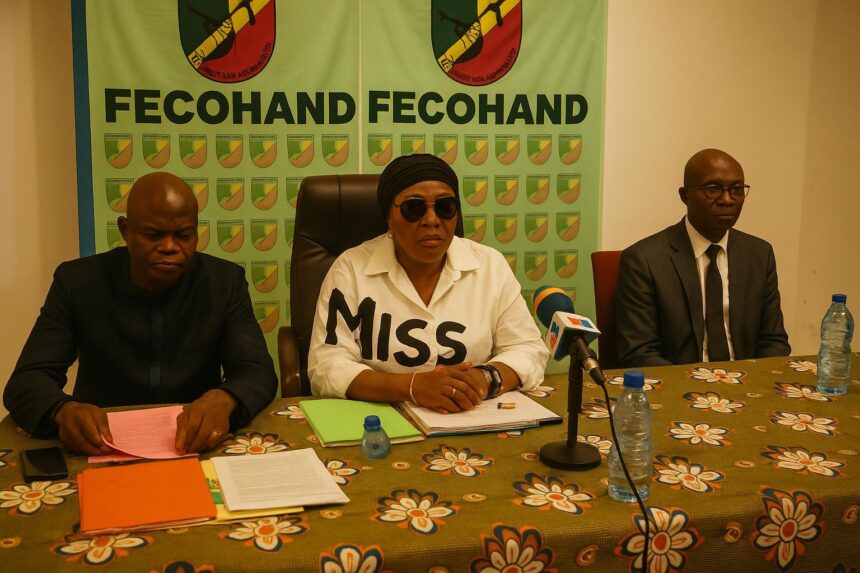
The sound of bouncing resin-stained balls could soon echo louder across Brazzaville. On 5 November, the Congolese Handball Federation, Fecohand, ended a two-day council and work congress inside the Nicole Oba Gymnasium, unveiling a sweeping modernisation plan (ACI).
Officials from the Sports Ministry and the National Olympic Committee watched closely as delegates revised the federation’s founding texts, insisting on transparent governance and better links with international standards. For many insiders, the gathering felt like a restart button for a discipline that once packed local arenas.
“We wanted rules capable of carrying the game through the next decade,” explained federation president Ambroisine Linda Noumadzalayi Ebendzé after the final session. Her statement drew applause from coaches, referees and volunteers hoping to see the sport regain its sparkle.
Statutes and strong ethics code
The first concrete outcome is a set of updated statutes and internal regulations. Lawyers spent hours polishing articles about term limits, financial disclosure and club licensing. Delegates say the goal is simple: give every stakeholder, from grassroots teams to elite squads, a clear roadmap.
Equally important, a brand-new ethics code now shields Fecohand’s decisions from external influence. By proclaiming independence from the Chamber of Conciliation and Arbitration of Sports, the federation signals it will settle most matters internally while still respecting national law. Observers welcomed the move as a step toward faster dispute resolution.

Jean Claude Itoua, representing the Olympic committee, reminded the hall that strong rules mean little without day-to-day respect. “Documents are ink and paper,” he told the assembly. “Discipline turns them into reality.” His call resonated with athletes who often juggle training with studies or jobs.
Birth of a professional league
Yet the headline announcement is the creation of a professional league, a long-debated dream finally entering the concrete phase. Delegates adopted the resolution unanimously, urging the executive board to launch the inaugural season “within a short timeline,” according to the official motion read out loud.
Under the plan, top men’s and women’s clubs will transition from amateur status to professional contracts, opening doors to salaries, medical coverage and structured youth academies. Organisers hope televised matches and digital highlights will attract new sponsors eager to reach young urban audiences.

Furet Likoue, envoy of the Sports Minister, welcomed the initiative, stressing that a vibrant domestic championship could feed talent into the national teams. “We miss seeing the small ball fly on our courts,” he said, invoking the nickname locals give to handball.
Fans remember Congo’s historic runs at African Cups in the 1980s and early 2000s. Coaches believe a pro setup will recreate that competitive edge, reduce player drain to Europe and rekindle regional rivalries with neighbouring nations.
Budget, sanctions lifted and unity call
Financial details remain discreet; delegates adopted the 2025-2026 provisional budget without disclosing figures. Federation treasurer Pierre Ndinga explained that negotiations with potential broadcast partners and apparel companies are still sensitive, but he assured members that expenditures will appear in quarterly reports.
In a gesture of reconciliation, the congress lifted previous sanctions on several officials, coaches and athletes. The amnesty aims to “turn the page” on internal disputes that had occasionally split clubs or delayed tournaments. Players reacted on social media with messages of relief and renewed motivation.
President Noumadzalayi Ebendzé urged everyone to “privilege living-together,” a phrase echoing national conversations about cohesion. Her speech underlined the power of sport to bridge neighbourhoods, generations and even political divides. She added that diversity among club boards would be monitored to guarantee broad representation.
As an extra confidence-building measure, the federation will organise regional workshops on governance and sport science. These sessions, scheduled for early 2024, intend to harmonise coaching methods and share injury-prevention techniques with provincial teams.

What it means for players and fans
For Brazzaville winger Grâce Makala, the pro league could end the recurring choice between passion and livelihood. “If I can earn a salary at home, I stay near family,” she said after morning practice. Her coach noted that steady pay also means longer careers and more time to mentor juniors.
Supporters are already picturing packed bleachers, drumlines and streamed replays on their phones. Marketing analysts forecast that a well-timed calendar, avoiding overlap with football derbies, might double average attendance within two seasons.
Local vendors, from jersey printers to street-food sellers, stand to benefit too. Economic studies in comparable African leagues show every match day can inject fresh cash into transport, catering and accommodation services surrounding arenas.
The federation plans to test evening kick-offs, coupled with LED lighting upgrades in key venues. Such slots match urban commuters’ schedules and could attract corporate hospitality packages, further reinforcing revenue streams for clubs.
Ultimately, the success of Congo’s professional handball league will hinge on collective commitment. Regulators promise oversight, clubs pledge discipline and athletes bring talent. If those promises hold, the first whistle will mark more than a game; it will signal a renaissance for a sport woven into the nation’s social fabric.