Brazzaville event puts OIF literary prize in focus
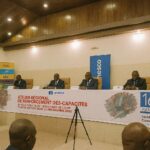
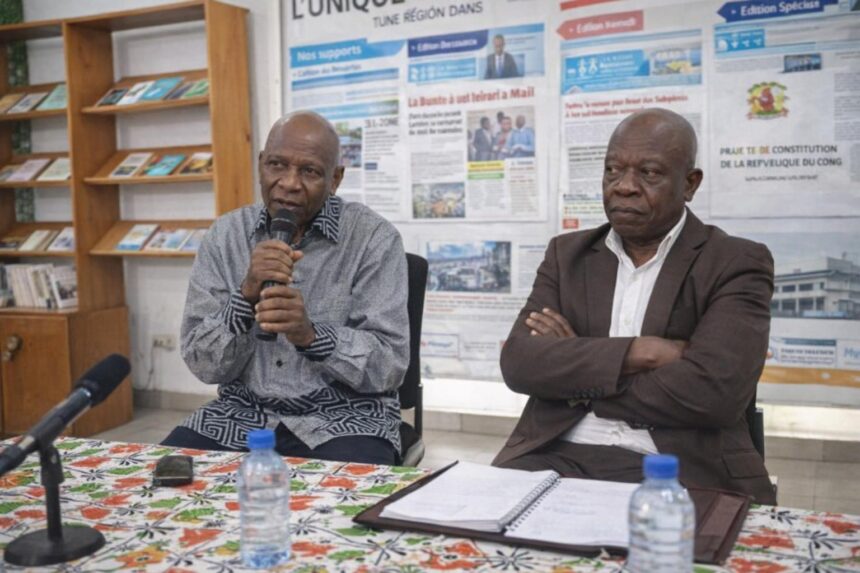
At Les Manguiers bookshop in Brazzaville, the association Culture Elongo (ACE) staged a public presentation of the Five Continents Prize of the International Organisation of La Francophonie (OIF). The stated goal was practical: make the prize better known to Congo’s cultural players and encourage Congolese submissions.
- Brazzaville event puts OIF literary prize in focus
- ACE links 10 years of work to a bigger milestone
- A citizens’ association built around books and imagination
- A literary reference that shaped ACE’s connection to the prize
- Why “Culture Elongo” is more than a name
- Inside the prize: what it rewards, and how it selects
- A clear message to Congolese publishers and editors
- Literary industry: why prizes matter to everyday reading
- How committees of readers shape the final shortlist
- What local cultural actors can do next in Congo
Organisers framed the session as both an information moment and a call to action. For many writers, editors and readers, big international prizes can feel distant. ACE’s approach was to bring the rules, the spirit of the award and the pathway to candidacy closer to the local scene.
ACE links 10 years of work to a bigger milestone
ACE placed the ceremony inside its 2025 activity programme, dedicated to promoting the Five Continents Prize to publishers, authors and other cultural actors in the Republic of the Congo. Dr Jean Blaise Bilombo, president of ACE, also tied the event to two symbolic anniversaries.
According to Dr Jean Blaise Bilombo, ACE marked ten years of existence, dating back to November 2015. He also recalled that the Five Continents Prize, created in 2001, is set to celebrate its 25th anniversary in March 2026. For the association, this calendar creates momentum to renew advocacy around the prize.
“The junction of these dates obliges us, here and now, to take up the advocacy around the Francophonie prize again,” Dr Jean Blaise Bilombo said, stressing the need to exchange with a clear view of what has been achieved and what still remains to be done.

A citizens’ association built around books and imagination
In its preamble, ACE describes itself as cultural, educational and creative, working in the service of books and imagination. In Dr Jean Blaise Bilombo’s words, the book is the “centre” and the “fundamental energy” around which members organise their projects, with the written word at the heart of their public engagement.
He also presented ACE as a gathering of Congolese citizens and citizens from elsewhere who share a common interest in arts and, above all, books “in all their forms”. The association’s line is that participation requires an inner sense of citizenship, a worldview, and an idea of development rooted in responsibility.
A literary reference that shaped ACE’s connection to the prize
Dr Jean Blaise Bilombo recalled a key moment in 2015, when ACE encountered the trajectory of the Five Continents Prize through the award given to In Koli Jean Bofane of the Democratic Republic of the Congo for his novel “Congo Inc. Le testament de Bismarck”. The reference served as a reminder that the prize can spotlight Central African voices.
By citing that example, the association underlined a simple message: recognition is possible, but it is not automatic. It requires preparation, strong publishing support, and a clear understanding of the selection process. The Brazzaville meeting aimed to reduce the information gap and make the route more readable for local stakeholders.
Why “Culture Elongo” is more than a name
The president also unpacked the meaning of “Culture Elongo”. He said it is not only the pairing of two words, but the pairing of two languages: French and Lingala. For ACE, that mix symbolises the meeting of two cultural universes and a shared identity shaped by both.
He described this as a space for dialogue between African expectations and the European, French-speaking world, with an ambition that echoes what some writers call “world literature”. The idea is to embrace the French language as a vehicle while keeping authenticity, singularity and local roots visible in creative work.
Inside the prize: what it rewards, and how it selects
The presentation returned repeatedly to the basics of the Five Continents Prize. As explained during the session, the prize aims to highlight literary talents that reflect the diversity of cultural and editorial expression in French across all continents. It rewards a narrative work of fiction written and published in French.
The prize is awarded once a year. Although it is open worldwide, speakers underlined that it is also anchored in the Francophonie space, described as 93 states and governments. That dual identity—global openness and Francophonie focus—shapes its ambition and its standards.
One practical point stood out: eligibility depends on publishers. Works are received until 31 July each year, and authors cannot apply directly. Only publishers can submit candidates, with a limit of two titles maximum. For ACE, this rule makes local publishing strategy a decisive factor.

A clear message to Congolese publishers and editors
Professor Omer Massoumou used his intervention to express regret that Congolese publishers do not sufficiently present the novelists they publish. He argued that the challenge is not only writing quality, but also the ability to position books, defend them and push them into international circuits where prizes are decided.
He noted that, since the prize began, only two Congolese have won: Alain Mabanckou in 2005 for “Verre cassé”, and Wilfried Nsondé in 2007 for “Le cœur des enfants léopards”. Professor Omer Massoumou pointed out that these authors were not published in Congo, which, for him, reveals a central stake for local actors.
Literary industry: why prizes matter to everyday reading
Professor Omer Massoumou broadened the discussion to the “literary industry” and the place of awards within it. He explained that this industry covers creation, production, distribution, marketing and reading. It depends on a chain of cultural actors: authors, publishers, distributors, readers and booksellers.
In his view, literary prizes sit at the centre of the book ecosystem. They reward excellence, raise the profile of authors, and can stimulate public interest in reading. Awards can also strengthen the prestige of publishing houses, while helping prize-winning works circulate internationally, beyond their first market.
How committees of readers shape the final shortlist
The session also detailed how books are evaluated. According to the information shared, the prize relies on six reading committees spread across the Francophonie space. Each committee works concurrently and independently, reading the full set of submitted works before proposing a selection.
The committees listed were: Passa porta in Brussels, ACE in the Republic of the Congo, Camp littéraire Félix in Quebec, the Prix du jeune écrivain association in Muret, the Writers’ Association of Senegal, and the Vietnam Asia-Pacific reading committee. Together, they identify ten preselected books for an international jury.
For ACE, participation in this structure is not symbolic. The association said it has taken part in the prize’s preselection work for ten years through its own reading committee, a steady involvement that connects Brazzaville to a wider francophone cultural network.
What local cultural actors can do next in Congo
Beyond the speeches, the Brazzaville meeting was a reminder that opportunities often hinge on coordination. Since publishers are the only channel for candidacy, authors and editors need a shared calendar, strong editorial preparation, and a clear plan to submit within the annual deadline of 31 July.
ACE’s message was both ambitious and grounded: understand the rules, invest in quality, and build confidence in the local book chain. By keeping the prize visible year after year, the association hopes more Congolese works will reach the preselection stage—and that the national literary scene will benefit from the momentum.