Shockwaves through Congolese sport
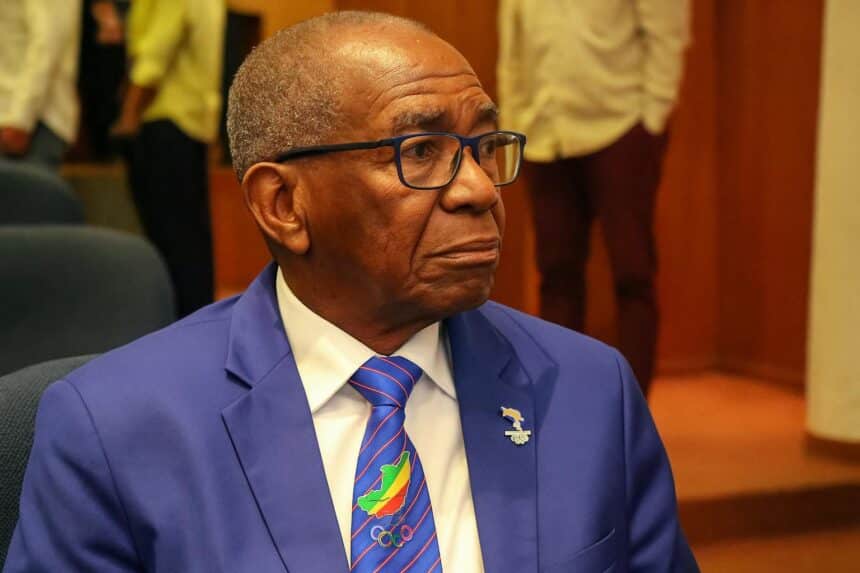
The late-night calls started early Saturday as word spread that Jean-Paul Ngaloua had died at the University Hospital of Brazzaville on 10 October 2025. For coaches, athletes and officials, the news felt unreal, as though an anchor had suddenly slipped from its chain.
Born in 1947, Ngaloua embodied the quiet rigour that keeps stadium lights burning. Friends remember the modest suit, the notebook always handy, and an ability to listen before he spoke. That calm set the tone at countless tense meetings, according to colleagues contacted by phone.
Seventeen years at the helm of CNOSC
Ngaloua took charge of the National Olympic and Sports Committee of Congo in 2009, replacing Joseph Mokanda Moramwa. Over the next seventeen years he steered the organisation through budget squeezes, qualification dramas and a fast-changing international calendar.
Former vice-president Gisèle Makita recalls his first day: “He walked in and asked for the athletes’ files, not the financial reports. That told us everything.” The approach focused on human needs, aligning with the Olympic Charter’s call for sport to serve society.
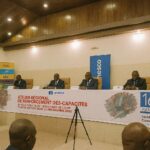
Under his leadership the committee partnered with telecom firms for athlete stipends, oversaw the modernisation of team travel logistics and hosted several regional coaching workshops that drew applause from the International Olympic Committee.
Architect of sports justice
A milestone came in December 2012 with the launch of the Chamber of Conciliation and Arbitration. The body offers rapid mediation for selection disputes and contract rows, sparing federations costly court battles. Ngaloua lobbied tirelessly for the project, citing models in Dakar and Paris.
Legal adviser Alphonse Ngatsé credits him for the success: “Jean-Paul never waited for a crisis. He built the fire station before the fire.” Today the chamber is referenced by law faculties in Brazzaville as a case study in preventive governance.
Mentor to a restless youth
Beyond boardrooms Ngaloua loved classrooms. An inspector of physical education by training, he spent afternoons visiting schools where he would quiz pupils on Olympic values, then hand over whistles and stopwatches bought from his own salary.
Those sessions left a mark on sprinter Prisca Ngoma, now national 200-metre champion. “He told me the stopwatch is honest, so be honest with yourself.” Such exchanges helped bridge generations and kept older administrators in tune with young athletes’ realities.
A life anchored in public service
Sport was only one field of duty. Between 1977 and 1991 Ngaloua administered infrastructure projects, ran the Stade de la Révolution and served as mayor of Ouenzé, a populous arrondissement of Brazzaville. Residents still recall sanitation drives he organised before big matches.
That municipal experience shaped his later management style. He planned budgets as if he were still sweeping gutters, meticulous about every franc spent. Colleagues say this prudence earned the trust of government auditors and ensured steady support for Olympic programmes.
Tributes from home and abroad
Condolence messages have arrived from the African Union Sports Council, the French Olympic Committee and several Congolese diaspora clubs. President of CNOSC Raymond Okouété praised a man who “saw every medal as a contract with the youth of our nation.”
On social media, hashtags #MerciNgaloua and #SportPaix have trended across Brazzaville and Pointe-Noire. Users share photos of the late official handing certificates to children or standing quietly behind victorious football squads, a reminder that leadership is often found just outside the camera frame.
Funeral plans and legacy work
Family members indicate that a public viewing will be held at the CNOSC headquarters before a funeral mass at Sainte-Anne Cathedral. The committee is preparing a memorial booklet featuring excerpts from Ngaloua’s speeches, many of which were never published.

Meanwhile, sports historians urge the digitisation of his personal archives. Notebooks stored in his Ouenzé home reportedly contain match statistics from the 1970s and correspondence with African Olympic pioneers. Preserving them could enrich upcoming school curricula on national heritage.
What lies ahead for CNOSC
The by-laws call for an interim secretary-general within fifteen days. Insiders expect a consensus figure to maintain continuity as teams gear up for the 2026 Youth African Games. Observers argue that Ngaloua’s systems are robust enough to weather the transition.
Still, the emotional vacuum is real. Basketball federation president Serge Mongali notes that disputes once settled by a simple visit to Ngaloua’s office may now escalate. He urges younger executives to “carry forward his habit of listening first, debating later.”
An enduring lesson in modest leadership
Ngaloua rarely sought the spotlight, yet his steady hand shaped almost every major sporting milestone in Congo over four decades. While medals shine, it is the scaffolding behind them—transparent selections, athlete welfare, responsible budgeting—that defines a sustainable sports culture.
In mourning him, Congo also celebrates the quiet virtues that often escape headlines. As one coach wrote, the best whistle is sometimes heard only by those willing to listen. Jean-Paul Ngaloua made sure that whistle kept time for everyone.