A sudden flight across West and Central Africa
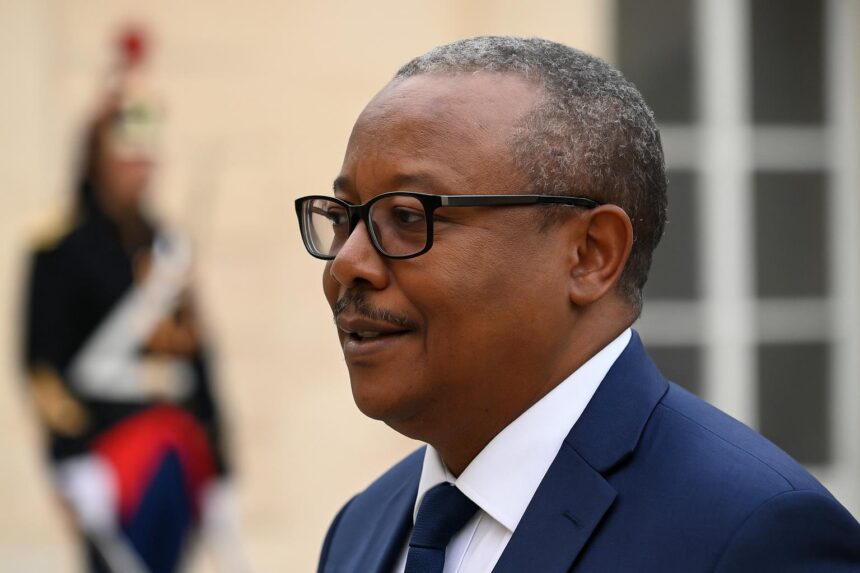
Just six days after soldiers seized the presidential palace in Bissau, ousted head of state Umaro Sissoco Embaló was photographed stepping off a royal Air Force jet at Rabat-Salé airport. His zig-zag journey, confirmed by several diplomatic sources, passed through Dakar and Brazzaville.
- A sudden flight across West and Central Africa
- Military takeover leaves unanswered questions
- Dakar stopover and Macky Sall’s discreet role
- Brazzaville transit under calm security watch
- Moroccan hospitality and possible year-long stay
- Portugal considered as alternative haven
- Constitutional provisions in limbo
- ECOWAS presses for swift civilian return
- Analysts debate exile as de-escalation tool
- Diaspora voices and the road ahead
Local media in Guinea-Bissau, Senegal and Morocco report that the 50-year-old leader accepted an evacuation offer hours after tanks ringed the capital. The plan, designed to ensure his safety while avoiding regional escalation, involved three different aircraft and negotiations in at least four capitals.
Military takeover leaves unanswered questions
The coup, announced on national radio before dawn last Thursday, was led by officers claiming frustration over alleged corruption and stalled reforms. No fatalities were officially reported, yet sporadic gunfire around the harbour underscored how brittle political stability in the country of two million remains.
A transitional military council has since suspended parliament and promised elections “within a reasonable timeframe”. Observers in Bissau told Lusa that daily life is calm, though banks are limiting withdrawals and the price of imported rice jumped five percent in a single weekend.
Dakar stopover and Macky Sall’s discreet role
Senegal appeared first on Embaló’s route. Le Soleil says President Macky Sall authorised a discreet 90-minute refuelling stop at Dakar-Yoff military apron, away from commercial eyes. Photos on WhatsApp show Embaló boarding a Gulfstream flanked by gendarmes.
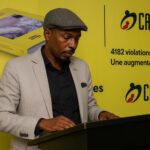
Neither Dakar nor Bissau has commented publicly on that lay-over, but a Senegalese diplomat told Jeune Afrique that the objective was “pure humanitarian facilitation, not asylum”. He added that Senegal remains committed to ECOWAS protocols that discourage any unconstitutional change of government.
Brazzaville transit under calm security watch
From Dakar, the convoy flew south-east to Brazzaville’s Maya-Maya airport late Monday. Airport employees contacted by Télé Congo said the aircraft was greeted by protocol officers and a compact Republican Guard detachment. The stop reportedly lasted less than four hours, without any public appearance.
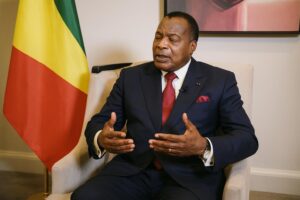
Government sources in Brazzaville emphasised that the Republic of Congo merely provided a “technical transit” consistent with international conventions. Information minister Thierry Moungalla stressed that President Denis Sassou Nguesso continues to prioritise stability across the Gulf of Guinea, echoing the diplomatic stance adopted during previous regional crises.

Moroccan hospitality and possible year-long stay
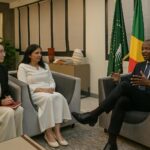
By Wednesday morning, Embaló touched down in Rabat, where security vehicles escorted him directly to a residence reportedly placed at his disposal by the Moroccan royal court. State news agency MAP has not detailed the arrangement, yet local papers cite “mutual friendship” between the two nations.
Political scientist Mário Lopes believes Morocco offers “maximum discretion, good medical facilities and direct flights to Europe”. Speaking on RTP África, he suggested Embaló could remain up to a year, matching the transition timetable the junta floated. Rabat did not confirm any duration.
Portugal considered as alternative haven
Portuguese dailies add that Embaló already holds a valid Lisbon residency visa. Officials there say no entry request has reached their desks, yet hint they would review one positively under Community of Portuguese-speaking Countries rules.
Constitutional provisions in limbo
Under Guinea-Bissau’s constitution, a presidential vacancy should trigger the speaker of parliament to assume interim leadership for 60 days before elections. The junta has yet to clarify whether it will respect that clause, leaving legal scholars like Augusta Évora warning of a potential “normative vacuum”.
ECOWAS presses for swift civilian return
ECOWAS has sent a fact-finding team to Bissau and urged a quick return to civilian rule, reminding members that targeted sanctions and a standby force remain options if deadlines slip.
Military spokesperson Lieutenant-Colonel Baciro Dabo responded on state television, assuring viewers that “sovereignty will be preserved” and that the council seeks guidance from regional partners. No specific calendar was offered, yet he thanked Congo-Brazzaville for facilitating what he called “a humanitarian passage for our former leader”.
Analysts debate exile as de-escalation tool
Analysts draw parallels with coups in Mali, Burkina Faso and Niger, where toppled leaders also benefited from negotiated exile rather than trial. Paulin Agbatchi of the University of Abomey-Calavi argues that such arrangements lower the temperature and may shorten the lifespan of military transitions.
However, civil society groups fear impunity. “Our worry is justice for disappeared demonstrators,” said activist Fatima Tchami in a phone interview from Bissau. She welcomed ECOWAS pressure but cautioned that foreign capitals must not offer “golden holidays” that erase accountability promises made during the putsch.
Diaspora voices and the road ahead
Across the Lusophone world, expatriate Bissau-Guineans swap voice notes analysing Embaló’s next move. In Pointe-Noire, community leader Manuel Gomes insists everyday life there remains “normal”, yet he senses renewed interest in politics among youth who followed the coup via TikTok and Snapchat live streams.
For now, the ex-president’s low-key arrival in Morocco seems to have bought time for both the junta and regional mediators. Whether that breathing space leads to elections or drifts into protracted transition will depend on compromises still being drafted in Bissau’s humid corridors of power.