Pamelo Mounk’A, a name still on everyone’s lips
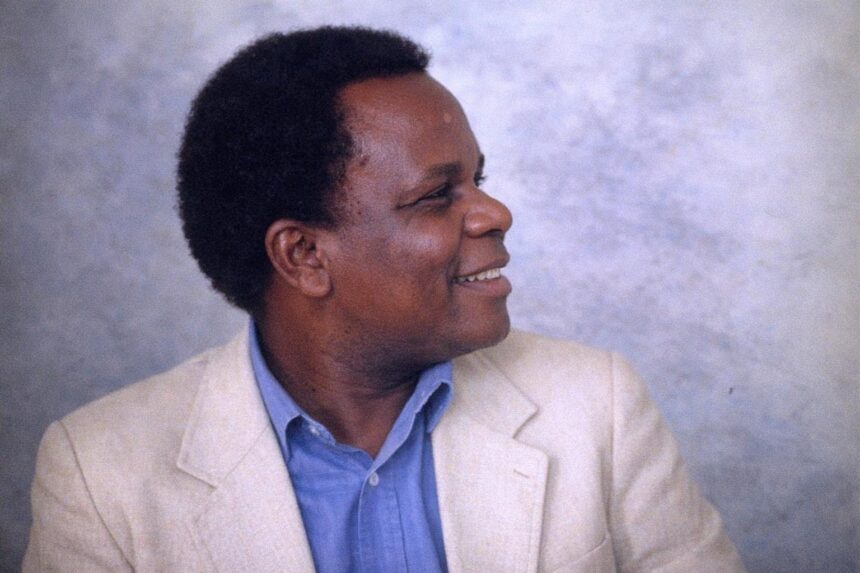
André Mbemba-Bingui, better known as Pamelo Mounk’A, was born on May 10, 1945 in Brazzaville. He died on January 14, 1996 in the Congolese capital. In 2026, his admirers note he would have turned 81.
Three decades after his passing, his music continues to circulate among rumba lovers. For many listeners, the emotion is simple: some songs never really leave, especially when they are tied to family memories, parties, and the sound of an era.
Rumba classics that keep playing in Congo
Among the tracks most often mentioned by fans are “Masuwa”, “L’argent appelle l’argent”, and “Bwala yayi mambou”. Even today, these titles are described as instantly recognizable, the kind of songs people can sing along to after only a few notes.
The persistence of these hits speaks to a wider cultural reality in the Republic of the Congo: rumba remains a soundtrack of daily life. Pamelo Mounk’A’s work is regularly cited as part of that musical heritage, both popular and demanding.
A hardworking composer with a rich catalogue
Observers of Congolese music often portray Pamelo Mounk’A as a relentless worker. His reputation rests not only on a handful of famous records, but on the consistency of his writing and the breadth of his contributions across different ensembles.

His discography is frequently described as remarkably strong, filled with titles created while he was active with groups and orchestras such as the Bantous, African Fiesta, the Fantômes, and the orchestra Le Peuple.
Songs that shaped an artist’s trajectory
Thirty years on, many listeners still list the same repertoire to measure his impact: “Na landa bango”, “Louisie”, “Ninzi”, “Camitina”, “Congo na biso”, “Ya Gaby”, “Amen Maria”, “Angelina”, “L’oiseau rare”, “Alléluia Mounka”.
Others add “Amour de Nombakele” and, again, the much-loved “Masuwa”. Together, these titles draw the portrait of an artist remembered for melody, storytelling, and an ability to make everyday themes feel universal.

The Olympia link: a repertoire carried abroad
One detail often highlighted by music enthusiasts is the connection to Tabu Ley Rochereau. Several titles associated with Pamelo Mounk’A reportedly featured prominently among the songs Tabu Ley Rochereau retained in his own repertoire.
That repertoire was performed in 1970 during Tabu Ley Rochereau’s appearance at the Olympia in Paris. For admirers, this reference helps situate Pamelo Mounk’A’s work within a wider rumba universe that traveled beyond Central Africa.
Why his legacy still matters in 2026
Remembering Pamelo Mounk’A is not only about nostalgia. It is also a way for younger listeners to discover a catalogue that many consider foundational to Congolese song, built across major bands and marked by enduring compositions.
Thirty years after his death in Brazzaville, his name continues to surface whenever people talk about great Congolese composers. In the ears of fans, the proof is straightforward: the songs are still there, still played, still loved.