High-stakes Brazzaville meeting
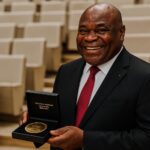
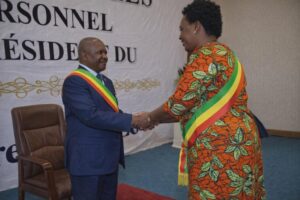
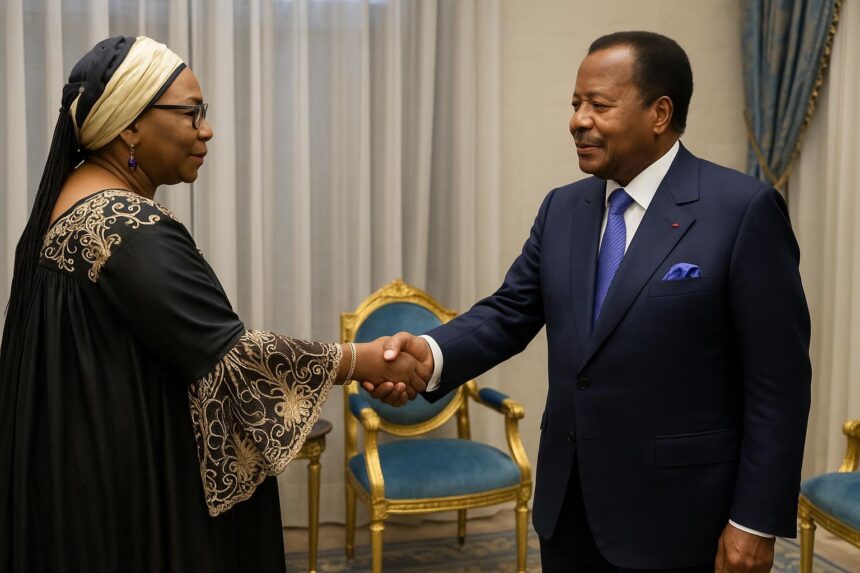
The diplomatic corridors of Brazzaville buzzed this weekend as President Denis Sassou Nguesso welcomed Chantal Kambiwa, global coordinator of Socialist International, to discuss the possible enrolment of the ruling Congolese Labour Party, PCT, inside the historic family of social-democratic movements.
The face-to-face, held on the sidelines of the PCT’s sixth ordinary congress, is being viewed by insiders as a strategic handshake that could broaden the party’s external partnerships while reinforcing its domestic narrative of stability and progressive development.
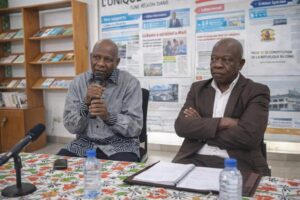
Speaking after the meeting, Kambiwa told local reporters her mission covered the first leg of the accession process, suggesting administrative formalities and political vetting will intensify in the months ahead, an agenda that usually culminates in a formal vote by Socialist International’s council.
What Socialist International represents
President Sassou Nguesso, who co-founded the PCT in 1969, reportedly used the audience to recall earlier interactions with the organisation during the party’s Marxist-Leninist years and its later shift toward social democracy following the 1991 national conference.
Analysts in Brazzaville argue that joining the international network would give the PCT both symbolic and practical dividends, from access to thematic workshops on climate justice to a louder voice in multilateral forums discussing debt relief or African free-trade implementation.
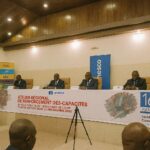
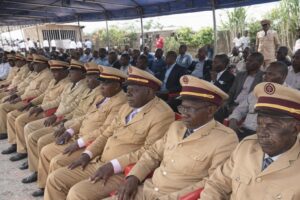
In the congress hall, delegates broke into applause when Kambiwa evoked the “legacy of Patrice Lumumba and Julius Nyerere” as pillars of African social democracy, drawing a direct line between continental independence heroes and Congo-Brazzaville’s current aspiration to modern, inclusive governance.
Yet the path toward full membership rarely unfolds overnight; prospective parties must answer questionnaires on internal democracy, gender representation and electoral conduct, checks that Socialist International requires to preserve its credibility across more than 100 member organisations.
PCT’s reforms under scrutiny
PCT spokesperson Serge Obami says the party is “comfortable with scrutiny”, noting its recent quota that reserves 30 percent of future leadership posts for women and youth, a figure broadly aligned with Socialist International’s gender guidelines.
For Brazzaville-based political scientist Clarisse Mvouba, the timing also dovetails with domestic talk of 2026, the year congress delegates publicly requested President Sassou Nguesso to accept their nomination for another term, a request Chantal Kambiwa diplomatically described as “an internal matter of sovereignty”.
In practical terms, PCT membership would allow Congolese delegations to swap experiences with European, Asian and Latin American coalitions on affordable housing, youth employment and climate-smart agriculture, topics that resonate strongly with Congo’s urban millennials facing rising living costs.
Global network, local agenda
The Socialist International, currently chaired by Spanish politician Pedro Sánchez, gathers parties that once shaped welfare states in Europe and liberation movements in the South; its charter emphasises multilateral dialogue, rule of law and social-environmental justice, principles echoed in Congo’s 2022-2026 National Development Plan.
Historically, Congolese parties kept close ties with ideological families abroad; the Congolese Movement for Democracy and Integral Development joined Liberal International in 2014, while the Rally for Democracy and Social Progress sits in Centrist Democrat International, illustrating a growing appetite for transnational cooperation.
Back inside the congress arena, giant screens projected images of solar farms, rural health posts and renovated stadiums as speakers linked social-democratic values with the administration’s programme called “Le Peuple d’Abord”, underscoring how international branding may reinforce national policy messaging.
Outside the venue, taxi driver Jérôme Banza voiced cautious optimism, saying any alliance that attracts investment or scholarships is “good for our children”, though he added a request that traffic congestion and fuel prices remain the immediate government priority.

Citizens and regions react
In Pointe-Noire, fish vendor Mireille Loutaya followed the proceedings through a cousin’s livestream, telling this newspaper she hopes social-democratic ties translate into micro-credit for traders and cold-chain infrastructure at the busy Atlantic port, where catch preservation remains a daily challenge.
Kambiwa returns to Socialist International headquarters early January to file her mission report; sources close to the file expect the PCT’s application to land on the agenda of the organisation’s next council, tentatively scheduled in Madrid before mid-2024.
If accepted, the Congolese delegation would first gain observer status; full membership normally follows after one year of sustained participation and peer review, a calendar that would place the party’s possible graduation only months before the 2026 presidential ballot.
Timeline to watch
For now, both sides describe the Brazzaville dialogue as constructive and forward-looking, with Kambiwa saluting what she termed “a mature and open leadership style” and the presidency echoing its commitment to partnerships that promote peace, jobs and dignity for all Congolese.
Observers will therefore keep an eye on the Socialist International council’s notice, but the broader conversation in Congo already revolves around how global affiliations can serve local priorities, a story that will continue to unfold on the busy roads between Brazzaville’s Palais des Congrès and neighbourhood kiosks.
The PCT secretariat says a dedicated email will soon gather suggestions from grassroots members, underlining the party’s aim to keep the accession process transparent for voters online.