World Stroke Day in Brazzaville
Every 29 October, banners in Brazzaville’s main squares flash the same call: act fast against stroke. The World Stroke Day campaign sets the tone for a week of screenings, radio jingles and street Zumba, but behind the vibrant posters lies a relentless medical emergency.
Stroke remains the world’s second biggest killer and the leading source of adult disability, confirms the World Health Organization. In Congo-Brazzaville, neurologists at the University Hospital warn that case numbers are rising quietly yet steadily, turning family kitchens and bus stops into sudden crisis scenes.
Overlooked statistics hide a growing burden
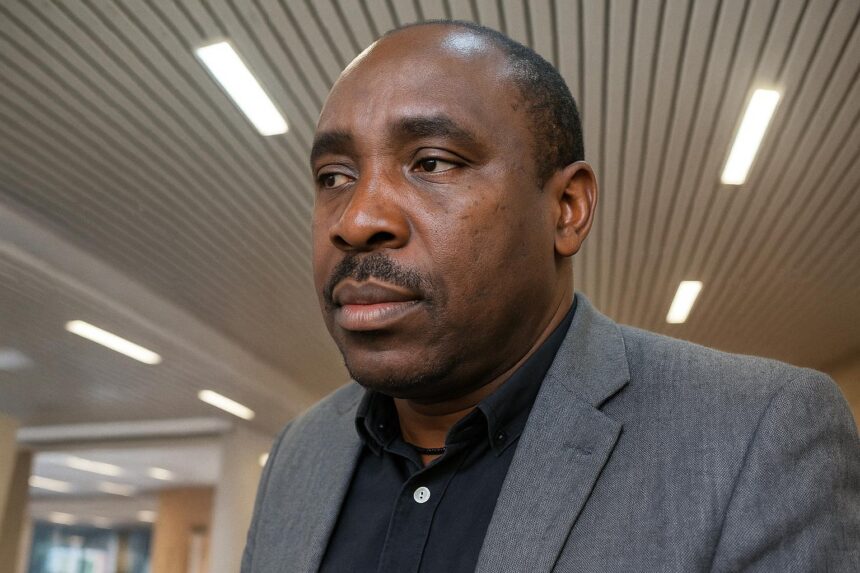
Professor Paul Macaire Ossou Nguié crosses the neurology ward with a clipboard full of blood-pressure charts. “One Congolese in three lives with hypertension, and most ignore it,” he states, citing a survey reviewed by the national cardiology society and the World Stroke Organization.
Only seven percent of diagnosed patients keep their pressure under control, the professor adds. That leaves ninety-three percent walking around “with a time bomb in the chest”, dramatically increasing their risk of ischemic or hemorrhagic stroke within five years, especially once obesity or diabetes join the picture.
Recognise the face-arm-speech signals
Stroke usually strikes without pain, which is why speed matters. Sudden weakness in the face, an arm drifting down, a sentence that comes out slurred or makes no sense: any of these signals demands an immediate call to 3434, the CHU emergency number.
Dr Annette Moussavou, duty neurologist, insists on the “golden hour”. “If we receive a patient within 60 minutes, we can often dissolve the clot or limit brain bleeding,” she explains, gesturing toward a poster showing a ticking stopwatch beside a CT scanner.
Inside Brazzaville’s first stroke unit
In 2019 the CHU-Brazzaville opened a six-bed stroke unit adjoining its intensive care block. Monitors track oxygen, glucose and blood pressure around the clock while a mobile ultrasound checks carotid arteries at bedside, reducing transfers that once cost precious minutes in the hospital maze.
Three physiotherapists start gentle arm lifts as early as the second day, shortening recovery. “The earlier we stand a survivor, the greater the chance they return to work or school,” notes therapist Rodrigue Kanga. Family members learn exercises using a towel, a plastic cup, even a broomstick.
Tackling the silent risk factors
Hypertension remains target number one. The Ministry of Health sponsors free pressure checks every Saturday at the Marché Total, where volunteers record figures on a smartphone app that instantly flags dangerous readings. Smokers receive counseling on site, while a diet stand hands out cassava-leaf salad recipes.
Professor Ossou Nguié cautions against uncontrolled alcohol. “The Friday night binge may spike blood pressure by 20 millimeters of mercury in minutes,” he warns. Women are advised to discuss contraception options with their doctor, as certain pills can slightly raise clotting risk if additional factors coexist.
Act fast, save a brain
Once signs appear, do not wait for the ambulance to find you. Neighbors can help place the person in a half-seated position, avoid giving food or drink, and bring the national health card. Traffic police have been instructed to clear lanes when a vehicle shows the red stroke sticker.
At CHU, nurses launch a predefined stroke code as soon as the patient crosses the door, shaving eight minutes off average admission time. “Eight minutes equals 9.6 million neurons saved,” Dr Moussavou reminds her interns, quoting figures popularized by the World Stroke Day campaign.
Life after the hospital bed
Survivor associations now meet every Thursday in Makélékélé district to exchange tips on swallowing, memory games and affordable blood-pressure cuffs. “Seeing someone walk again gives newcomers hope,” says Marie Ibata, herself two years post-stroke and back selling fruits at the Dolisie bus terminal.
The Social Security Fund recently introduced a modest stipend covering three months of physiotherapy for employed contributors. Several private insurers now reimburse speech therapy, a service long viewed as a luxury. These moves, welcomed by patient groups, aim to prevent disability from turning into permanent unemployment.
Simple steps that protect the family
Health promoters suggest three rules: know your numbers, move thirty minutes daily, and cut salt. A home blood-pressure monitor costs less than a monthly telecom bundle, a comparison that speaks to many young wage earners juggling airtime, fuel and food bills in today’s economy.
Experts conclude that preventing stroke is cheaper than treating it. “Balance the pressure now and you avoid a lifetime of rehab visits,” Professor Ossou Nguié summarises. On World Stroke Day, that message rings across Brazzaville’s airwaves, urging every household to take its heart – and brain – seriously.
Toward a national stroke roadmap
Authorities plan a telemedicine link connecting Pointe-Noire to Brazzaville so specialists can read brain scans instantly, trimming coastal delays. Draft guidelines would place clot-busting drugs in selected community pharmacies.
Talks led by the Economy Ministry and partners aim to cut stroke deaths by fifteen percent in five years. “Collaboration is vital,” stresses Dr Moussavou, “from policymakers to moto-taxi riders rushing patients to care.”