Prime Minister Makosso’s calming message
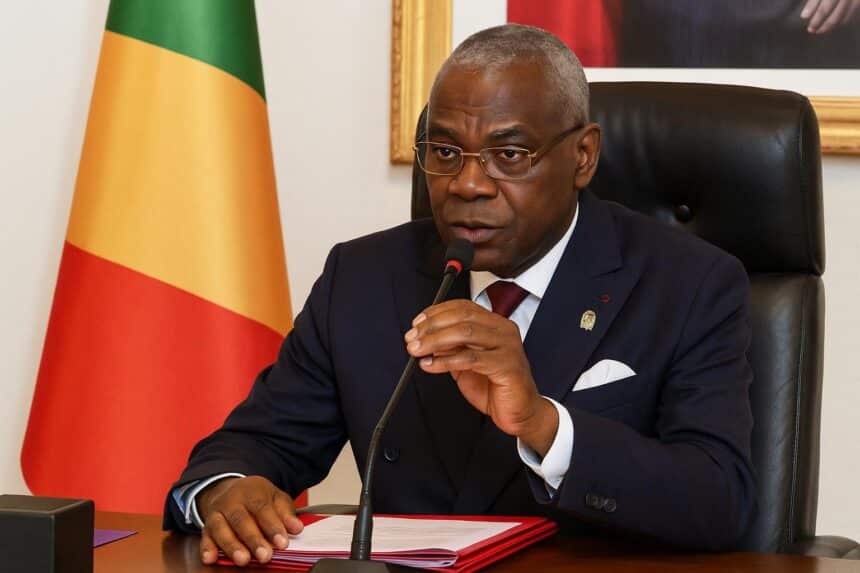
Standing before reporters in Brazzaville on 20 December, Prime Minister Anatole Collinet Makosso opened a thick blue volume – the president’s bilan – then quickly addressed the headline that had unsettled many young Congolese: Washington’s temporary suspension of new visas for travellers holding Republic of Congo passports over the past week.
His tone was calm, almost conversational, yet the message aimed to reassure families planning Christmas visits and students preparing spring semesters abroad. “Our dialogue with the United States remains excellent,” he said, insisting that misunderstandings over visa overstays were already being resolved through established diplomatic channels this week.
Why the United States paused Congolese visas
The United States announced its updated travel restrictions on 4 June, citing a nationwide report that some Congolese visitors had overstayed tourist or student visas at higher rates than the global average. Congo-Brazzaville joined six other African countries in the measure, alongside Libya, Sudan and Somalia Eritrea Chad Equatorial.
According to the US Department of Homeland Security’s annual overstay study, roughly six percent of Congolese non-immigrant visitors in 2023 remained after their authorised date. While the figure is small in absolute terms, Washington considers systemic data-sharing and passport security crucial to maintaining open travel corridors for all.
Rapid diplomatic response underway
In Brazzaville, officials stress that no official warning preceded the announcement. “At no stage were we told a sanction was imminent,” the Prime Minister repeated, pointing to what he called an otherwise fluid bilateral relationship that includes health programmes, security cooperation and scholarships for Congolese innovators each year.
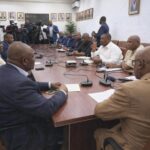
Within forty-eight hours of receiving confirmation, the Ministry of Foreign Affairs instructed its embassy in Washington and its consulate in New York to submit an action plan addressing overstay tracking, electronic passport enhancements and traveller education. Drafts were shared with US officials before the end of last week.
A senior diplomat, requesting anonymity because talks continue, said the tone from the US side was “constructive and technical, not punitive.” He added that once additional biometric data fields are activated in Congo’s airport systems, a review of the suspension could realistically arrive within the first quarter 2024.
What travellers and businesses must know
The announcement rattled Aimée Malonga, a 22-year-old accepted at a Florida aviation school. “I had my interview scheduled for January,” she explained. “Hearing the news, I panicked, but the Prime Minister’s speech gives me hope that my dream of piloting will simply be delayed, not cancelled at all.

Export manager Jean-Bruno Ngoma, whose company ships timber to Houston, noted that the ruling applies only to new visas; current visas remain valid. “Our logistics stay on track,” he said, though he conceded that future staff rotations could be complicated if the freeze lasts deep into 2024 operations.
In Washington, analysts underscore that travel bans are reviewed periodically. The previous administration removed Chad from a similar list once electronic passports and traveller databases met American benchmarks. That precedent, Congolese negotiators argue, shows that concrete technical fixes, rather than political pronouncements, ultimately drive the timetable for lifting.
Experts close to the file describe three main deliverables under discussion: real-time sharing of lost passport numbers, integration of Interpol notices at all border posts, and a public information campaign reminding citizens to respect authorised stays. Funding, they insist, can be secured through existing multilateral capacity-building programmes easily.
Looking ahead: pathway to a quick resolution
Internally, the episode allows the government to showcase ongoing modernisation of civil registry systems launched under the national development plan. Officials highlight the roll-out of biometric ID cards and the new Brazzaville Passenger Information Centre as signs that Congo is aligning with international travel security standards this year.
For now, authorities urge citizens not to rush travel bookings or cancel plans. Airlines continue operating normal schedules, and Congolese nationals already holding valid visas may board flights as usual. The Foreign Ministry has opened a hotline to answer questions about documentation, interview rescheduling and waiver procedures daily.
Prime Minister Makosso closed his briefing with a note of confidence. “We are managing the points raised, and we believe the ban will be short-lived,” he said. Observers in diplomatic circles, citing the swift exchange of technical documents, describe the mood as pragmatic rather than confrontational on both.

Members of the diaspora monitoring events from Paris to Atlanta welcome the government’s proactive posture. Social media forums that initially filled with worried messages now share updates from embassy spokespersons and travel agents. Many users advise compatriots to keep paperwork current and follow official communiqués rather than rumours.
As both capitals trade paperwork, the holiday season proceeds largely undisturbed in Brazzaville’s markets and churches. For travellers like Aimée and exporters like Jean-Bruno, the episode is a reminder that global mobility depends on constant administrative upkeep. For policymakers, it represents an opportunity to further modernise border governance.