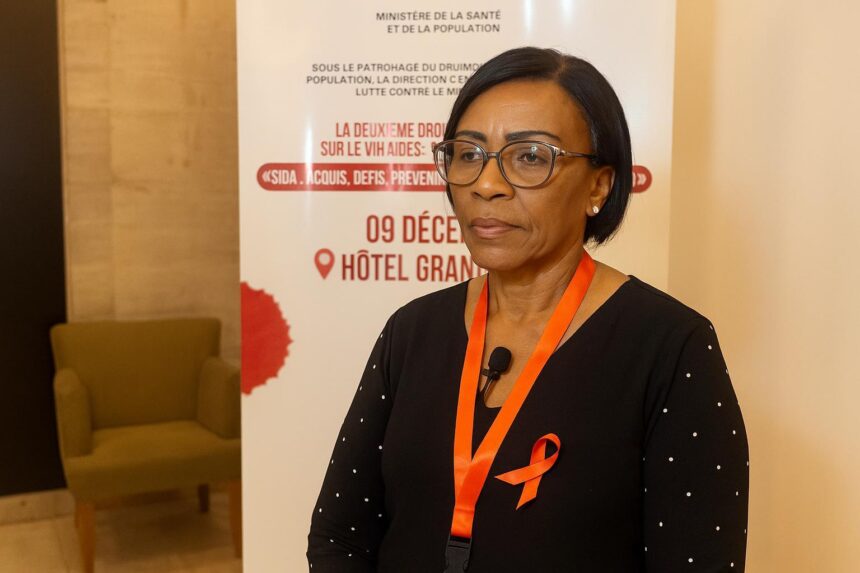
Urgent gathering in Brazzaville
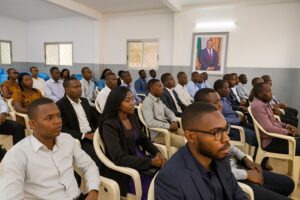
Sunlight filtered through the vast conference hall of the Ministry of Health as researchers, doctors and activists gathered on 9 December 2025 for Brazzaville’s second Scientific HIV Day. The atmosphere blended urgency and hope, under the courteous eye of government representatives applauding nearly three decades of national mobilisation.
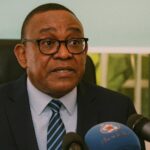
Chaired by ministerial adviser Dr Jean-Claude Moboussé, the session showcased the Programme National de Lutte contre le Sida, better known as PNLS. His opening remarks credited “political will, tireless health workers and loyal partners” for gains that keep Congo’s HIV prevalence below many regional neighbours.
Key numbers on Congo’s HIV situation
Latest surveillance figures unveiled during the meeting, echoed in the 2024 UNAIDS snapshot, fix adult prevalence at 3.2 percent—about 120 000 people aged 15-49. Specialists stressed that while the epidemic is generalised, sex workers, detainees and men who have sex with men remain disproportionately affected.
Dr Cécile Mapapa Miakassissa, executive director of PNLS, used the podium to celebrate “tangible progress families can feel” while cautioning that stigma, late testing and unequal access still drain lifesaving momentum. Her emphasis on community-driven science set the optimistic yet pragmatic tone that threaded through every panel.
Treatment wins and technological boosts
Experts from Brazzaville University Hospital detailed how expanded viral load testing now reaches 14 laboratories nationwide, trimming result delays from weeks to days. According to PNLS data shared on screen, 92 percent of clients with recent results show suppressed viral loads, a benchmark that sharply cuts onward transmission risks.

The forum also spotlighted prevention. Community nurses from Pointe-Noire described door-to-door awareness drives pairing HIV self-tests with conversations about pre-exposure prophylaxis, or PrEP. Oral PrEP has been free in public centres since 2023, and advocacy continues for the long-acting injection approved by the World Health Organization last year.
Community voices challenge stigma
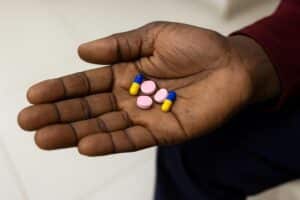
One participant, Nadia, a 26-year-old tailor living openly with HIV, earned warm applause after explaining how free antiretrovirals enable her to work, marry and plan a family. “The pills are not the hardest part,” she said, “People’s whispers are.” Her words underlined the persistent weight of discrimination.
Mobilising faith leaders appeared repeatedly in discussions. Reverend Jean Nkodia of the Interreligious Platform announced a pledge by 300 congregations to integrate HIV talks into sermons and youth groups. “We must normalise testing like blood pressure checks,” he argued, citing studies that link religious endorsement to higher clinic attendance.

Outside the plenary, poster sessions documented digital tools nurturing that attendance. A start-up from Oyo presented an SMS reminder system achieving 89 percent appointment adherence among pregnant women. The developers, backed by the African Development Bank innovation grant, hope to scale through public–private partnerships under negotiation with regional health authorities.
Funding and science push forward
Financing, inevitably, surfaced. According to a joint PNLS–World Bank brief circulated at the event, Congo currently funds 46 percent of its HIV response, with the Global Fund, PEPFAR and UN agencies filling the rest. Officials outlined a strategy to grow domestic contributions to 60 percent by 2028 through budget re-allocations.
Research stood as the day’s scientific backbone. Lab teams displayed results on integrase-resistance mutations, a topic rarely studied in Central Africa. “Evidence tailored to our genomes means treatment that works first time,” noted virologist Dr Sylvie Dibala, whose study is expected in the Pan-African Medical Journal early next year.
The historical thread was not forgotten. Delegates rose to honour Dr Pierre Mpélé, founding PNLS director in 1995, who recalled transporting the programme’s first computers in a taxi. “Today I watch cloud databases crunch the numbers,” he joked, receiving an embrace from epidemiologist interns recording his story for social media.
From clinics to social media momentum
Beyond the microphones, practical workshops trained district nurses to use dried-blood-spot cards, crucial for infant diagnosis in remote zones. Trainers emphasised simple packaging techniques that preserve samples for 21 days without refrigeration, a game-changer for villages reachable only by river boat during the rainy season.
Dr Mapapa Miakassissa closed the day by restating the national target of eliminating new HIV infections by 2030, in line with Sustainable Development Goals. She called on every municipality to adopt quarterly scorecards that track testing, treatment initiation and viral suppression, ensuring “no district lags behind the capital’s progress.”

Public reaction has been swift on Congo’s social media forums. Hashtags such as #TestAndTreatCG and #ZeroHIV2030 trended overnight, reflecting a youth demographic eager for practical, shareable messages. Influencer Didier Kiam, followed by two million on TikTok, posted a comedic sketch about first-time testing that garnered 600 000 likes in four hours.
The real measure, organisers insist, will be clinics filled, infections prevented and lives lengthened long after the banners come down. For now, Brazzaville’s second Scientific HIV Day has renewed a collective pledge: combine science, solidarity and steady funding so that a generation born today sees HIV only in textbooks.